
3P Safety Training answers that demand the direct way — instructors on your North Carolina site, courses matched to the work, and same-day records. No classroom commute, no video portal, no paperwork chase afterward.
The Industries Driving Training Demand in North Carolina
North Carolina is our home state — 3P Safety is headquartered in Goldsboro — and it is in the middle of an industrial buildout it hasn’t seen in a generation: Toyota’s battery gigafactory in Randolph County, VinFast in Chatham, the biotech triangle’s pharma plants, data centers spreading along the I-85 corridor, and the Port of Wilmington growing its box trade. NC OSH runs the state plan out of the Department of Labor, the Charlotte and Raleigh tower-crane skylines rarely thin out, and we deliver here with home-field logistics: same standards as everywhere, shorter mobilization.
Zoom in and the state’s training map has three centers of gravity. In Raleigh, raleigh and the Triangle run one of the country’s steadiest construction booms — biotech and pharma plants (the RTP orbit keeps landing them), data centers, and a skyline that keeps adding floors. In Greensboro, greensboro builds jets and moves freight: HondaJet’s headquarters and production, Boom’s supersonic factory rising at PTI, the FedEx mid-Atlantic hub, and Toyota’s battery gigafactory pulling a supplier corridor toward Randolph County. In Charlotte, charlotte’s skyline rarely stops moving — uptown towers, the light-rail and airport programs, and an energy-sector engineering base anchored by Duke. Each has its own page below with the local detail.
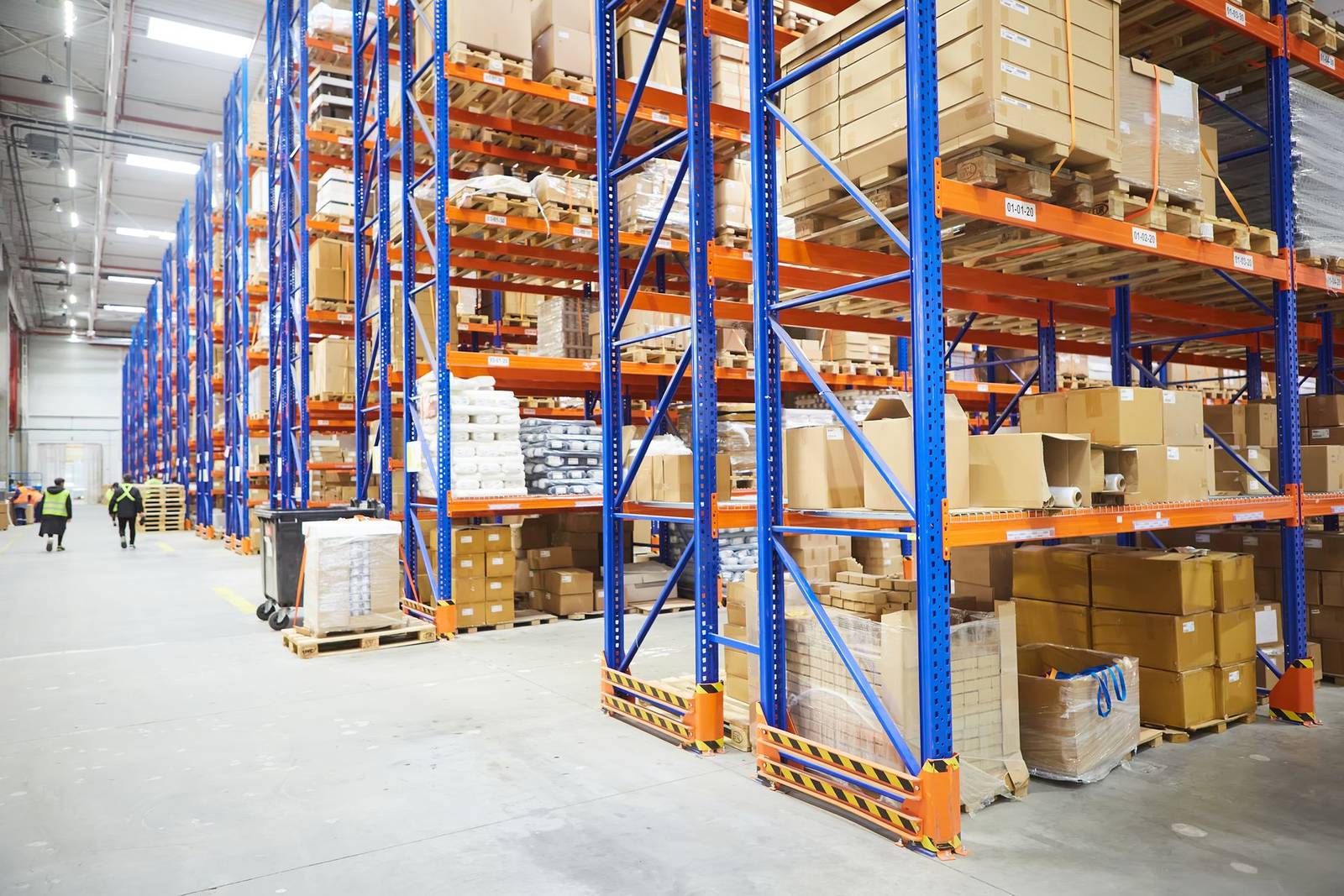
Port-side employers live on powered industrial trucks — container handlers, top loaders, and forklift fleets that run every shift — plus dock-edge fall exposures and trailer-entry discipline. OSHA requires a documented evaluation for every PIT operator at least every three years, and terminal-adjacent warehouses tend to come due in waves. We run fleet-scale certification days for exactly that reason.
Automotive plants run the strictest contractor-safety gates in American industry. Before a trade badges in, the host wants documented lockout/tagout training, machine-guarding awareness, PIT operator evaluations by truck class, and fall protection records — with names, dates, and the trainer’s credentials attached. Tier suppliers inherit the same specs from the OEM, usually verbatim. We format every record set to walk through those gates the first time.
Where auto assembly and its supplier web dominate, training demand follows the OEM playbook: energy control on the lines, guarding on the presses and weld cells, documented forklift evaluations for every operator, and outreach cards for construction trades working plant floors during retooling. The audits are real — records get pulled, not just requested.
Who Runs OSHA Enforcement in North Carolina
North Carolina runs its own OSHA-approved state plan: NC OSH (NCDOL) enforces workplace safety for private and public employers alike, with its own inspectors, its own penalty structure, and in several areas its own standards layered over the federal floor. State plans must be at least as effective as federal OSHA, and many are stricter in practice — which means training built for the federal minimum can leave state-specific gaps. Our courses are delivered against the rules your inspectors actually enforce.
Heat Is a Program Here, Not a Memo
Summer in North Carolina is an occupational hazard with a body count, and treating it casually is how crews end up in emergency rooms. A real program — water, shade, scheduled rest, acclimatization for new and returning workers, and supervisors who can spot heat exhaustion before it becomes heat stroke — is exactly what our heat illness prevention course builds. OSHA enforces heat through the General Duty Clause and a national emphasis program even where no specific rule exists, and state-plan rules can go further.
Working the Waterfront
Port and terminal work in North Carolina runs its own rhythm — container yards and PIT fleets, dockboards and trailer moves, and the boundary where OSHA jurisdiction meets longshore rules. For the warehouse-and-drayage side we train constantly: forklift certification at fleet scale, fall protection for dock edges, and orientation-grade outreach cards that terminal operators expect on day one.
Most-Requested Courses Across North Carolina
Translate the local economy into OSHA standards and the North Carolina booking sheet writes itself: heat illness prevention, lockout/tagout, machine guarding, forklift and powered-industrial-truck certification, and OSHA 30 general industry for plant leadership. Stack two or three into one visit and the mobilization pays for itself in avoided travel alone — the full catalog covers the rest whenever your program needs it.
How a Visit to North Carolina Runs
Booking works the same in North Carolina as everywhere we deliver: you name the site, we scope the visit, and the instructor arrives with everything the class needs. The practical wins are the ones clients mention afterward — no lost travel days, hands-on portions on the exact equipment your crew runs, and a records package completed on the spot instead of trickling in by email for a month. One call scopes it: courses, headcount, and your jobsite or facility. Request a quote or dial (252) 274-0583 — pricing comes back as a single figure for the whole visit.
Summer sessions in North Carolina get scheduled with the heat in mind — early hands-on blocks, classroom in the worst of the afternoon — because a training day should model the planning the standards expect.
The Process, In Plain Terms
Getting started is deliberately boring: a scoping call where you describe the work and the headcount, a quote that comes back as one number, and a date on the calendar. On the day, the instructor arrives early, the classroom block runs tight, the hands-on runs real, and your safety lead signs for a complete records package before anyone leaves. Repeat next year — or add the next course to the same visit.
The 3P Standard, Delivered in North Carolina
What you are actually buying is defensibility: live instruction from trainers led by an OSHA 500-authorized, NCCCO-certified working professional, hands-on evaluations on your own equipment, and records formatted to survive the strictest audit your industry runs. That formula does not change by geography — it travels to every state on this site.
Where We Train in North Carolina
City pages with local detail:
Crews working across state lines are covered too — see South Carolina, Virginia, Tennessee. Every corner of North Carolina is covered either way — these are simply the metros we detail. See all locations.
Frequently Asked Questions
How fast can you mobilize to North Carolina?
Tell us the course and the headcount and we will give you real dates with the quote — typically within a couple of weeks, faster when a project deadline or audit is driving it. We schedule around your operation, including nights, weekends, and shutdown windows.
Do you have a training center in North Carolina?
No — and that is the point of the model. 3P Safety Training is headquartered in Goldsboro, North Carolina, and delivers everywhere on-site: our instructors travel to your jobsite or facility in North Carolina, train your crew on your own equipment, and finish the documentation before they leave. You never lose travel days to a classroom.
Do we really need formal heat illness training in North Carolina?
Yes — OSHA cites heat hazards under the General Duty Clause and runs a national emphasis program that puts inspectors on sites in hot weather, and state-plan rules can go further. More to the point, heat kills workers here in a normal year, and most of the deaths are new or returning workers who were never acclimatized. A program tailored to your job and crew is cheap insurance against both outcomes.
You are based in North Carolina — does that change anything here?
It changes logistics in your favor: we are headquartered in Goldsboro, so North Carolina bookings often mobilize same-week with no travel premium worth mentioning. Same instructors, same documentation standard we bring to every state — just a shorter drive to reach you.
Our host employer audits contractor training — will your records pass?
That is the standard we build to. Rosters, tests, hands-on evaluation sheets, trainer credentials, and card records are completed on-site and handed over the same day, formatted the way plant and fab contractor-safety gates expect. If a specific host requires extra fields or formats, send us the spec and the paperwork will match it.
Can one visit cover crews from several of our North Carolina sites?
Yes, and it is the most cost-effective way to book: pull crews into one location for the classroom blocks, then run equipment evaluations at each site as needed. We regularly structure North Carolina visits exactly that way for employers with multiple yards, plants, or jobsites.