
3P Safety Training answers that demand the direct way — instructors on your California site, courses matched to the work, and same-day records. No classroom commute, no video portal, no paperwork chase afterward.
What California Crews Actually Work On
California is its own regulatory country. Cal/OSHA’s standards go further than federal OSHA on heat illness (indoor and outdoor), workplace violence prevention, injury and illness prevention programs, and a dozen other fronts — and its enforcement is famously active. The work itself spans the ports of LA and Long Beach, refinery rows in Contra Costa and the South Bay, studio and live-event rigging, a permanent housing and transit construction push, and warehouse empires in the Inland Empire. Training built for federal minimums quietly fails here; ours is delivered against the Cal/OSHA overlay.
The metro-level picture sharpens it. In San Diego, san Diego’s waterfront works for the Navy — NASSCO builds and repairs ships, the submarine and surface fleets generate constant contractor work, and shipyard trades live in confined-space and hot-work territory daily. In Los Angeles, lA runs the country’s busiest port complex at San Pedro Bay, a studio and live-event industry with rigging and work-at-height cultures all its own, transit megaprojects tunneling under the basin, and a skyline that keeps adding towers. In San Francisco, the Bay Area builds through constraints: seismic retrofits and high-rise work in the city, biotech labs stacking up in South San Francisco and Mission Bay, and transit and utility programs that never end. Each has its own page below with the local detail.
A hot construction market has a training signature: fall protection leads everything (it is OSHA’s most-cited standard nationally, and boom markets amplify it), aerial and scissor lift certification follows the rental fleet, and GC specs make OSHA 10s effectively universal with 30s for anyone running work. New-hire velocity means classes fill as fast as they are scheduled.
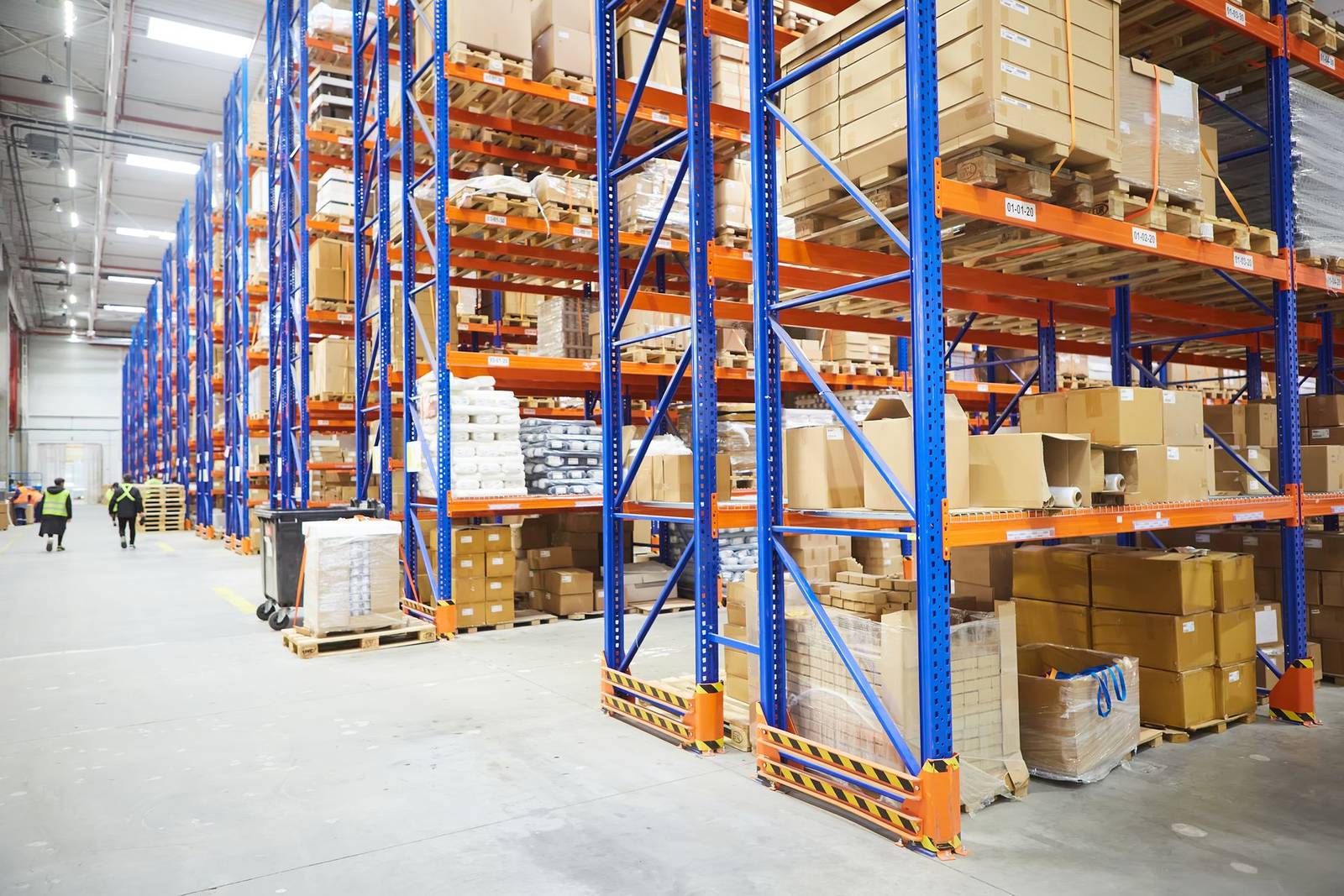
Port-side employers live on powered industrial trucks — container handlers, top loaders, and forklift fleets that run every shift — plus dock-edge fall exposures and trailer-entry discipline. OSHA requires a documented evaluation for every PIT operator at least every three years, and terminal-adjacent warehouses tend to come due in waves. We run fleet-scale certification days for exactly that reason.
Around the terminals, the training file is dominated by PIT fleets, dock and apron fall protection, and the orientation-grade outreach cards terminal operators expect from day-one hires. Where OSHA’s shoreside rules meet longshore jurisdiction, we keep crews on the right side of the line — and their records legible to whichever inspector arrives.
Who Runs OSHA Enforcement in California
The regulator here is Cal/OSHA — California operates its own OSHA-approved state plan, covering private and public employers with state inspectors and, in places, requirements that run past the federal baseline. For training, the practical meaning is simple: the class must reflect the rules your citations would actually cite. Ours does, because a course written to the federal floor and shipped nationwide is exactly the gap state-plan inspectors know how to find.
Working the Waterfront
Port and terminal work in California runs its own rhythm — container yards and PIT fleets, dockboards and trailer moves, and the boundary where OSHA jurisdiction meets longshore rules. For the warehouse-and-drayage side we train constantly: forklift certification at fleet scale, fall protection for dock edges, and orientation-grade outreach cards that terminal operators expect on day one.
Heat Is a Program Here, Not a Memo
Summer in California is an occupational hazard with a body count, and treating it casually is how crews end up in emergency rooms. A real program — water, shade, scheduled rest, acclimatization for new and returning workers, and supervisors who can spot heat exhaustion before it becomes heat stroke — is exactly what our heat illness prevention course builds. OSHA enforces heat through the General Duty Clause and a national emphasis program even where no specific rule exists, and state-plan rules can go further.
Most-Requested Courses Across California
Match the industries to the standards and the California shortlist is clear: heat illness prevention, forklift and powered-industrial-truck certification, fall protection (user and competent person), OSHA 10 general industry, and First Aid/CPR/AED. Most clients bundle two or three of those into a single on-site visit — one trip, one price, the whole compliance calendar moved forward. Anything else you need lives in the complete course catalog and travels just as well.
How On-Site Delivery Works in California
There is no classroom to drive to, in California or anywhere else — our instructors travel to your jobsite, plant, or warehouse and deliver the course where your crew already is. You supply the people and a place to sit for the classroom blocks; we bring the materials, the evaluations, and the documentation, and hands-on portions run on your own equipment and your own floor. Scheduling follows your operation, not ours: nights, weekends, and turnaround windows are normal bookings, not special requests. Tell us the course, the crew size, and the jobsite or facility — request a quote or call (252) 274-0583 and you will have one number for the visit the same week.
One scheduling note for California: if the class involves outdoor hands-on work in summer, we plan it like any other hot-weather task — early starts, shade, water, and the same acclimatization sense we teach. Practicing what the heat course preaches is part of the instruction.
The Process, In Plain Terms
Getting started is deliberately boring: a scoping call where you describe the work and the headcount, a quote that comes back as one number, and a date on the calendar. On the day, the instructor arrives early, the classroom block runs tight, the hands-on runs real, and your safety lead signs for a complete records package before anyone leaves. Repeat next year — or add the next course to the same visit.
Why California Employers Call Us Back
Behind every class is the same bar: 3P Safety Training is founder-led by Patrick Salazar — OSHA 500 authorized outreach trainer, working NCCCO-certified crane operator, certified crane inspector, and lift director, in the field since 2005, with federal-contract experience where documentation gets audited line by line. That is the standard your records inherit, whichever course you book.
Where We Train in California
City pages with local detail:
Crews working across state lines are covered too — see Nevada, Arizona, Oregon. Every corner of California is covered either way — these are simply the metros we detail. See all locations.
Frequently Asked Questions
Can you handle forklift re-evaluations for a large fleet?
Yes — high-headcount PIT programs are core work for us. OSHA requires a documented evaluation for every operator at least every three years, and fleets tend to come due in waves. We run multi-day visits that certify new operators and re-evaluate the rest, per class of truck, with records fleet-managers can file by name and date.
How does pricing work for California visits?
One number for the visit: the course or courses, your crew size, and the location decide it. Stacking classes into a single mobilization spreads the travel across everything, which is why most California clients book two or three courses per visit. No per-student meters.
Do we really need formal heat illness training in California?
Yes — OSHA cites heat hazards under the General Duty Clause and runs a national emphasis program that puts inspectors on sites in hot weather, and state-plan rules can go further. More to the point, heat kills workers here in a normal year, and most of the deaths are new or returning workers who were never acclimatized. A program tailored to your job and crew is cheap insurance against both outcomes.
Are your OSHA 10 and 30 cards the official DOL cards?
Yes — taught live by authorized outreach trainers (OSHA 500 construction, OSHA 501 general industry) with official Department of Labor cards issued through the OSHA Training Institute Education Center that authorizes our trainers. We do not sell self-paced online-video cards, in California or anywhere.
Our crews are mixed-language — can the class still work?
Training only counts if the crew actually understood it — OSHA says so explicitly. Tell us your crew’s language mix when you book and we will structure delivery, materials, and comprehension checks so nobody nods through a class they could not follow.
Do you have a training center in California?
No — and that is the point of the model. 3P Safety Training is headquartered in Goldsboro, North Carolina, and delivers everywhere on-site: our instructors travel to your jobsite or facility in California, train your crew on your own equipment, and finish the documentation before they leave. You never lose travel days to a classroom.