
For Los Angeles employers, 3P Safety Training turns training from a logistics problem into a calendar entry: we mobilize to you, teach live, evaluate on your machines, and hand over the records the same day.
The Industries Driving Training Demand in Los Angeles
LA runs the country’s busiest port complex at San Pedro Bay, a studio and live-event industry with rigging and work-at-height cultures all its own, transit megaprojects tunneling under the basin, and a skyline that keeps adding towers. Cal/OSHA’s requirements — heat, IIPP, the works — sit on top of everything; we train to that reality.
A hot construction market has a training signature: fall protection leads everything (it is OSHA’s most-cited standard nationally, and boom markets amplify it), aerial and scissor lift certification follows the rental fleet, and GC specs make OSHA 10s effectively universal with 30s for anyone running work. New-hire velocity means classes fill as fast as they are scheduled.
When cranes stack up on the skyline, demand concentrates in work at height: harness-level fall protection for the crews, competent-person depth for the leads, MEWP certification for every lift operator, and outreach cards to satisfy the GC exhibit. We stage multi-course visits that catch a whole project team in one mobilization.
Show and venue work is rigging-and-height work on compressed schedules: MEWP certification, fall protection with rescue plans, and load-in cultures where the card gets checked at the dock door. We train crews to the standards the venues and the state actually enforce.
Who Runs OSHA Enforcement in California
California runs its own OSHA state plan — Cal/OSHA — so the inspectors and, in places, the standards are state-specific. The full picture is on our California safety training page; the short version is that we deliver every Los Angeles course against the state overlay, not just the federal floor.
Working the Waterfront
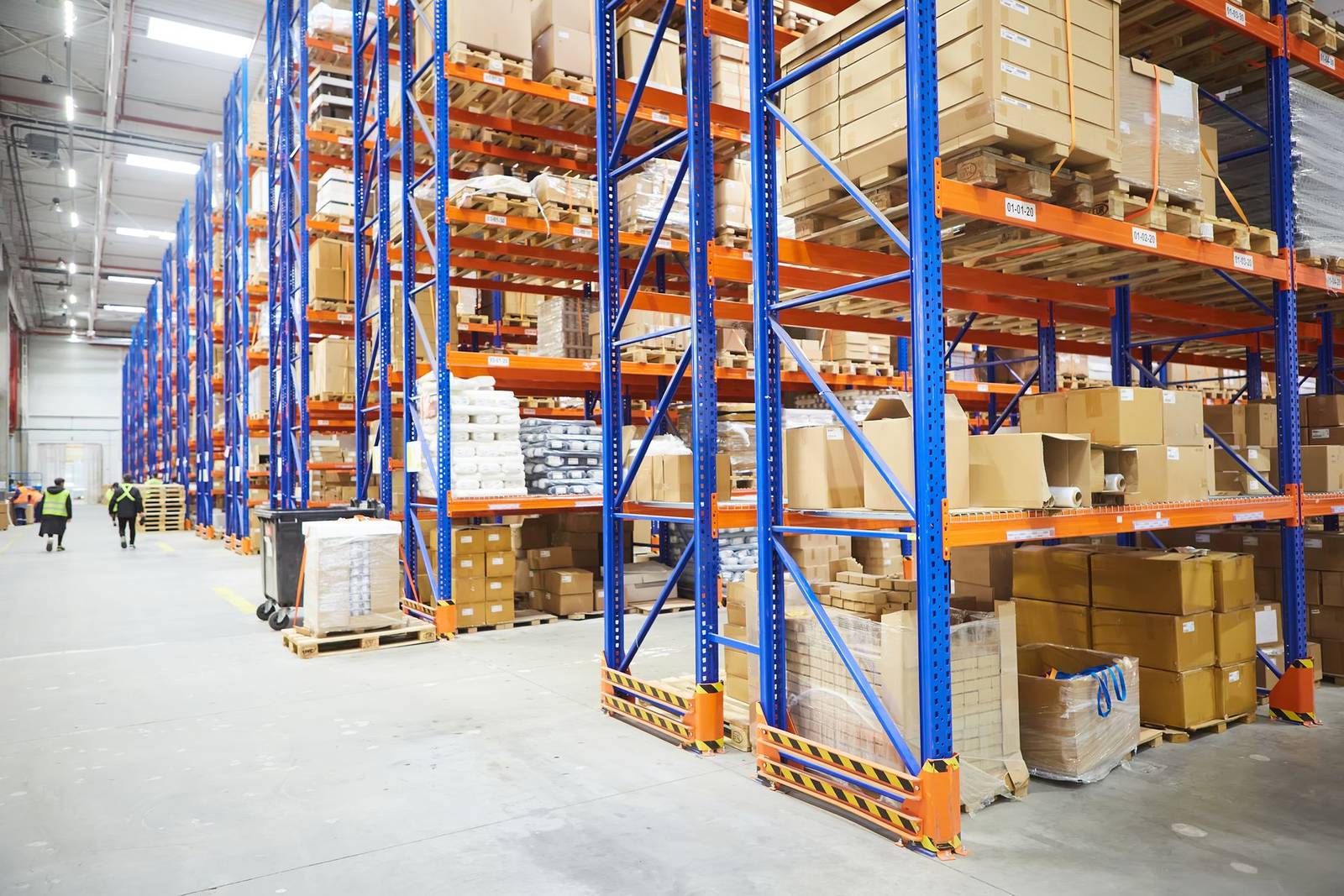
Port and terminal work in Los Angeles runs its own rhythm — container yards and PIT fleets, dockboards and trailer moves, and the boundary where OSHA jurisdiction meets longshore rules. For the warehouse-and-drayage side we train constantly: forklift certification at fleet scale, fall protection for dock edges, and orientation-grade outreach cards that terminal operators expect on day one.
The Los Angeles Training Shortlist
What Los Angeles employers actually book: forklift and powered-industrial-truck certification, fall protection (user and competent person), OSHA 10 general industry, First Aid/CPR/AED, and aerial and scissor lift (MEWP) certification, more often than not combined into a stacked visit that turns one mobilization into a full training day (or two) for the whole operation. Browse the full catalog for the rest — all of it delivers on-site.
Bringing the Classroom to Los Angeles
There is no classroom to drive to, in Los Angeles or anywhere else — our instructors travel to your jobsite, plant, or warehouse and deliver the course where your crew already is. You supply the people and a place to sit for the classroom blocks; we bring the materials, the evaluations, and the documentation, and hands-on portions run on your own equipment and your own floor. Scheduling follows your operation, not ours: nights, weekends, and turnaround windows are normal bookings, not special requests. Ready when you are: describe the job or call (252) 274-0583 — course, headcount, site address — and the quote comes back as one number, usually the same week.
One scheduling note for Los Angeles: if the class involves outdoor hands-on work in summer, we plan it like any other hot-weather task — early starts, shade, water, and the same acclimatization sense we teach. Practicing what the heat course preaches is part of the instruction.
From First Call to Finished Records
Getting started is deliberately boring: a scoping call where you describe the work and the headcount, a quote that comes back as one number, and a date on the calendar. On the day, the instructor arrives early, the classroom block runs tight, the hands-on runs real, and your safety lead signs for a complete records package before anyone leaves. Repeat next year — or add the next course to the same visit.
The 3P Standard, Delivered in Los Angeles
The difference is who shows up. 3P Safety instructors are led by a founder who still works the field — OSHA 500 authorized, NCCCO-certified on mobile and tower cranes, a certified crane inspector and lift director since coming up through jobsites starting in 2005. Crews listen differently when the person teaching fall protection has hung the steel.
Coverage Beyond Los Angeles
The instructor who trains your Los Angeles crew covers the whole region — see also San Diego and San Francisco, the statewide California page, or every location we serve. Multi-site employers routinely combine crews from several locations into one visit.
Frequently Asked Questions
Do you have a training center in Los Angeles?
No — and that is the point of the model. 3P Safety Training is headquartered in Goldsboro, North Carolina, and delivers everywhere on-site: our instructors travel to your jobsite or facility in Los Angeles, train your crew on your own equipment, and finish the documentation before they leave. You never lose travel days to a classroom.
How fast can you mobilize to Los Angeles?
Tell us the course and the headcount and we will give you real dates with the quote — typically within a couple of weeks, faster when a project deadline or audit is driving it. We schedule around your operation, including nights, weekends, and shutdown windows.
Does Cal/OSHA change what training my crew needs?
The core federal requirements still apply, but state plans can add standards and emphasis programs of their own — and Cal/OSHA enforces with its own inspectors. Our courses teach the overlay where it exists, and your documentation is built to satisfy the inspector who actually shows up: the state one.
Our crews are mixed-language — can the class still work?
Training only counts if the crew actually understood it — OSHA says so explicitly. Tell us your crew’s language mix when you book and we will structure delivery, materials, and comprehension checks so nobody nods through a class they could not follow.
Do we really need formal heat illness training in Los Angeles?
Yes — OSHA cites heat hazards under the General Duty Clause and runs a national emphasis program that puts inspectors on sites in hot weather, and state-plan rules can go further. More to the point, heat kills workers here in a normal year, and most of the deaths are new or returning workers who were never acclimatized. A program tailored to your job and crew is cheap insurance against both outcomes.
How does pricing work for Los Angeles visits?
One number for the visit: the course or courses, your crew size, and the location decide it. Stacking classes into a single mobilization spreads the travel across everything, which is why most Los Angeles clients book two or three courses per visit. No per-student meters.