
3P Safety Training covers Florida the way we cover the rest of the country: certified instructors mobilize to your jobsite or facility, teach live, evaluate hands-on, and hand your safety lead an audit-ready record set the same day. No classroom commutes, no per-student games.
Florida’s Working Economy — and What It Asks of Training
Florida construction never really stops — high-rise coastal condo work (and, post-Surfside, the recertification and repair wave), theme-park expansion around Orlando, and port complexes in Jacksonville, Tampa, and Miami that keep longshore-adjacent trades busy. The Space Coast has added launch-support construction to the mix. Heat is a year-round program here, hurricanes add a seasonal layer of recovery and roofing work at height, and federal OSHA’s Region 4 keeps fall protection at the top of its citation list in the state.
Three metros carry most of the state’s demand. In Miami, miami stacks cranes like few American cities — condo towers, Brightline-era transit work, and endless renovation — while PortMiami runs cruise and container operations and MIA anchors one of the country’s biggest air-cargo hubs. In Jacksonville, jacksonville is Florida’s working port city: JAXPORT’s auto and container terminals, ship repair on the St. In Tampa, tampa works the bay: Port Tampa Bay’s fuel, phosphate, and container trades, ship repair yards, and a downtown-to-Westshore construction run that hasn’t paused in years. Each has its own page below with the local detail.
Aerospace and MRO floors mix precision with exposure: fuselage and tank entries that are textbook confined spaces, paint and composite operations that drive respirator programs, HazCom on sealants and solvents, and fall protection around aircraft. OEM and prime flow-downs push those training specs to every supplier — arriving pre-documented is a competitive advantage.
Around the terminals, the training file is dominated by PIT fleets, dock and apron fall protection, and the orientation-grade outreach cards terminal operators expect from day-one hires. Where OSHA’s shoreside rules meet longshore jurisdiction, we keep crews on the right side of the line — and their records legible to whichever inspector arrives.
Storm country adds a seasonal layer: post-hurricane recovery work surges roofing, demolition, and repair — fall protection at speed, chainsaw and debris hazards, and first-aid coverage when infrastructure is down. Pre-season training beats post-storm improvisation every time.
OSHA in Florida: Who Enforces What
Florida is federal OSHA jurisdiction — no state plan, no separate state standards. That keeps the rulebook uniform with most of the country, but it does not soften it: the federal area offices covering Florida run the same national and local emphasis programs, and fall protection, hazard communication, and lockout/tagout citations lead here the way they do nationally. Our courses map one-to-one to the standards those inspectors carry.
Working the Waterfront
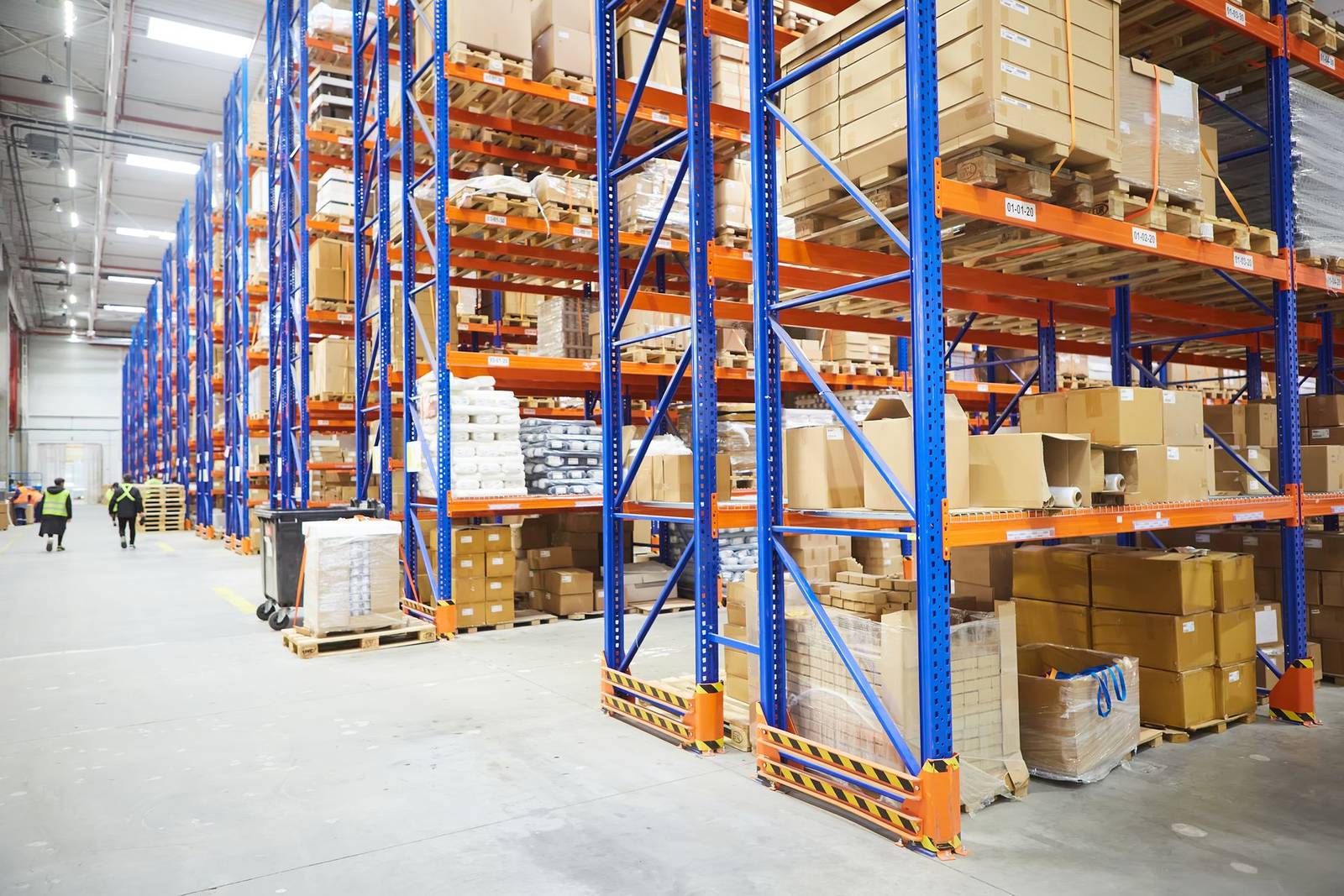
Port and terminal work in Florida runs its own rhythm — container yards and PIT fleets, dockboards and trailer moves, and the boundary where OSHA jurisdiction meets longshore rules. For the warehouse-and-drayage side we train constantly: forklift certification at fleet scale, fall protection for dock edges, and orientation-grade outreach cards that terminal operators expect on day one.
Heat Is a Program Here, Not a Memo
Summer in Florida is an occupational hazard with a body count, and treating it casually is how crews end up in emergency rooms. A real program — water, shade, scheduled rest, acclimatization for new and returning workers, and supervisors who can spot heat exhaustion before it becomes heat stroke — is exactly what our heat illness prevention course builds. OSHA enforces heat through the General Duty Clause and a national emphasis program even where no specific rule exists, and several states have their own enforceable heat rules.
Most-Requested Courses Across Florida
The demand profile writes itself from the work above. In Florida, the courses we deliver most are heat illness prevention, fall protection (user and competent person), First Aid/CPR/AED, forklift and powered-industrial-truck certification, and OSHA 10 general industry — usually stacked into one visit so a single mobilization covers the crew’s cards, the operators’ evaluations, and the leads’ competent-person depth. The full catalog runs about 25 course lines, and any of them can ride along on the same trip.
Bringing the Classroom to Florida
Booking works the same in Florida as everywhere we deliver: you name the site, we scope the visit, and the instructor arrives with everything the class needs. The practical wins are the ones clients mention afterward — no lost travel days, hands-on portions on the exact equipment your crew runs, and a records package completed on the spot instead of trickling in by email for a month. One call scopes it: courses, headcount, and your jobsite or facility. Request a quote or dial (252) 274-0583 — pricing comes back as a single figure for the whole visit.
Storm-season note for Florida: post-hurricane recovery surges roofing, demolition, and repair work with new hires on unfamiliar hazards. Pre-season fall-protection and first-aid refreshers are the cheapest disaster prep an employer here can buy — and we schedule those in the calm months on purpose.
From First Call to Finished Records
Getting started is deliberately boring: a scoping call where you describe the work and the headcount, a quote that comes back as one number, and a date on the calendar. On the day, the instructor arrives early, the classroom block runs tight, the hands-on runs real, and your safety lead signs for a complete records package before anyone leaves. Repeat next year — or add the next course to the same visit.
Who Is Teaching Your Crew
We built this company on a simple observation from two decades in the field: training sticks when it happens where the work happens, taught by someone who does the work. Founder Patrick Salazar’s credentials — OSHA 500, NCCCO mobile and tower operator, certified crane inspector, lift director — set the bar for every instructor who teaches under the 3P name.
Where We Train in Florida
City pages with local detail:
Crews working across state lines are covered too — see Georgia, Alabama. Every corner of Florida is covered either way — these are simply the metros we detail. See all locations.
Frequently Asked Questions
Do you have a training center in Florida?
No — and that is the point of the model. 3P Safety Training is headquartered in Goldsboro, North Carolina, and delivers everywhere on-site: our instructors travel to your jobsite or facility in Florida, train your crew on your own equipment, and finish the documentation before they leave. You never lose travel days to a classroom.
How fast can you mobilize to Florida?
Tell us the course and the headcount and we will give you real dates with the quote — typically within a couple of weeks, faster when a project deadline or audit is driving it. We schedule around your operation, including nights, weekends, and shutdown windows.
Can one visit cover crews from several of our Florida sites?
Yes, and it is the most cost-effective way to book: pull crews into one location for the classroom blocks, then run equipment evaluations at each site as needed. We regularly structure Florida visits exactly that way for employers with multiple yards, plants, or jobsites.
Our crews are mixed-language — can the class still work?
Training only counts if the crew actually understood it — OSHA says so explicitly. Tell us your crew’s language mix when you book and we will structure delivery, materials, and comprehension checks so nobody nods through a class they could not follow.
Do we really need formal heat illness training in Florida?
Yes — OSHA cites heat hazards under the General Duty Clause and runs a national emphasis program that puts inspectors on sites in hot weather, and several states have their own enforceable heat rules. More to the point, heat kills workers here in a normal year, and most of the deaths are new or returning workers who were never acclimatized. A program tailored to your job and crew is cheap insurance against both outcomes.
Is Florida a state-plan OSHA state?
No — Florida is federal OSHA jurisdiction. There is no separate state safety agency for private employers, so the standards on this site’s course pages map directly to what Florida inspectors enforce. That also keeps multi-state training programs consistent if you operate across federal-jurisdiction states.