
3P Safety Training mobilizes to Tampa rather than asking Tampa to come to us: live courses at your site, hands-on evaluations on your own machines, and same-day documentation, from single classes to stacked multi-course visits.
Tampa’s Working Economy — and What It Asks of Training
Tampa works the bay: Port Tampa Bay’s fuel, phosphate, and container trades, ship repair yards, and a downtown-to-Westshore construction run that hasn’t paused in years. Fuel terminals and processing operations drive hot-work and confined-space demand; the tower cranes drive everything at height.
A hot construction market has a training signature: fall protection leads everything (it is OSHA’s most-cited standard nationally, and boom markets amplify it), aerial and scissor lift certification follows the rental fleet, and GC specs make OSHA 10s effectively universal with 30s for anyone running work. New-hire velocity means classes fill as fast as they are scheduled.
Around the terminals, the training file is dominated by PIT fleets, dock and apron fall protection, and the orientation-grade outreach cards terminal operators expect from day-one hires. Where OSHA’s shoreside rules meet longshore jurisdiction, we keep crews on the right side of the line — and their records legible to whichever inspector arrives.
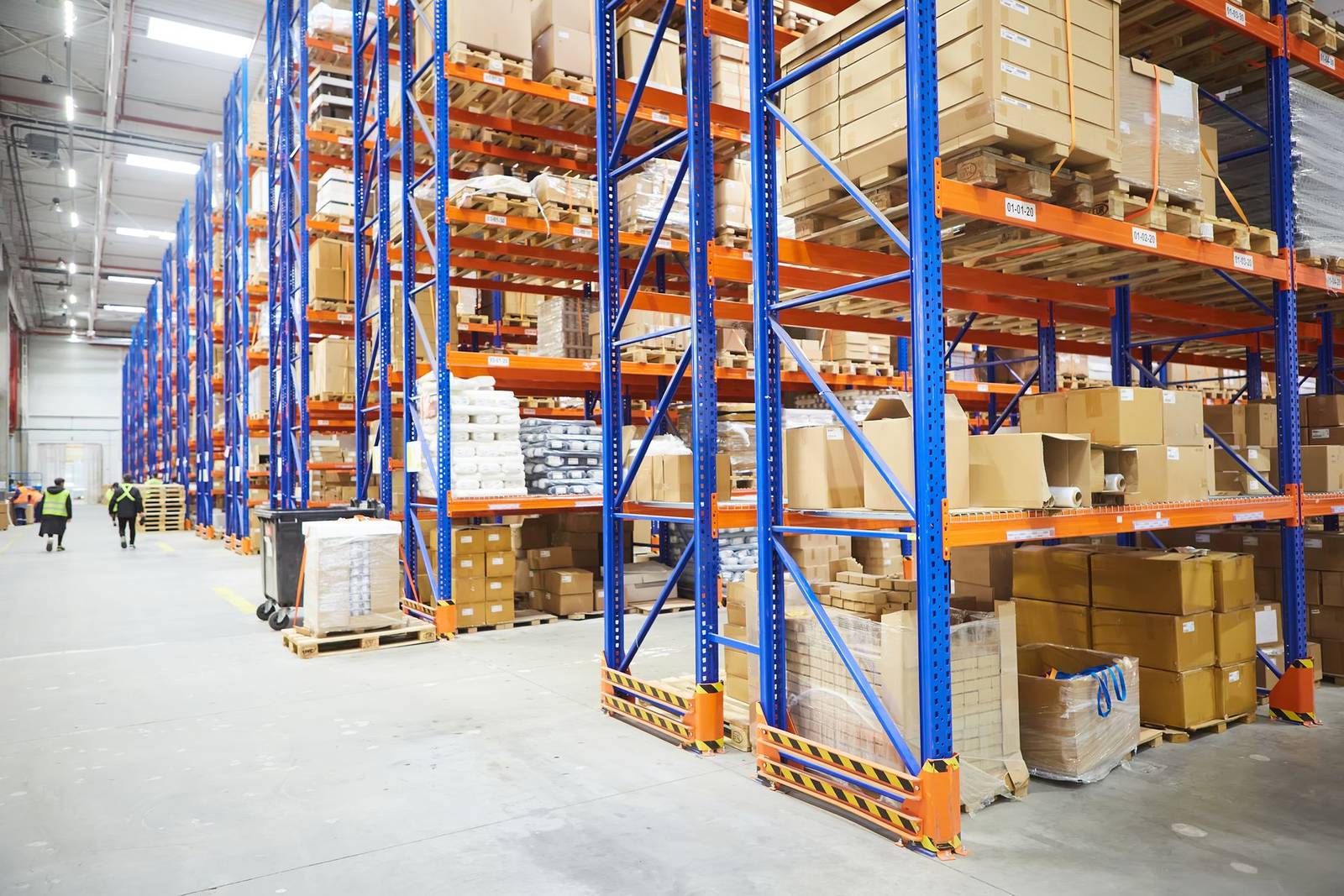
Port-side employers live on powered industrial trucks — container handlers, top loaders, and forklift fleets that run every shift — plus dock-edge fall exposures and trailer-entry discipline. OSHA requires a documented evaluation for every PIT operator at least every three years, and terminal-adjacent warehouses tend to come due in waves. We run fleet-scale certification days for exactly that reason.
OSHA in Florida: Who Enforces What
Florida is federal OSHA jurisdiction, so the standards on our course pages map directly to what Tampa inspectors enforce — no state-plan overlay to translate. More on the Florida safety training page.
Working the Waterfront
Port and terminal work in Tampa runs its own rhythm — container yards and PIT fleets, dockboards and trailer moves, and the boundary where OSHA jurisdiction meets longshore rules. For the warehouse-and-drayage side we train constantly: forklift certification at fleet scale, fall protection for dock edges, and orientation-grade outreach cards that terminal operators expect on day one.
Courses Tampa Employers Book Most
What Tampa employers actually book: forklift and powered-industrial-truck certification, fall protection (user and competent person), OSHA 10 general industry, First Aid/CPR/AED, and OSHA 30 construction for supervision, more often than not combined into a stacked visit that turns one mobilization into a full training day (or two) for the whole operation. Browse the full catalog for the rest — all of it delivers on-site.
How a Visit to Tampa Runs
Every course on this site is delivered the same way in Tampa: on-site, instructor-led, on your schedule. We scope the visit around your crew list — cards for the whole roster, operator evaluations on your machines, competent-person depth for the leads — and stack multiple courses into one mobilization so the travel gets spread across everything you need instead of billed to one class. Records are completed and handed over before the instructor leaves. Send us the details — course, headcount, site address — or call (252) 274-0583, and we will map the visit and price it as one number.
Storm-season note for Tampa: post-hurricane recovery surges roofing, demolition, and repair work with new hires on unfamiliar hazards. Pre-season fall-protection and first-aid refreshers are the cheapest disaster prep an employer here can buy — and we schedule those in the calm months on purpose.
The Process, In Plain Terms
Here is the whole process: tell us the course, the crew, and the site; get one price and real dates; hold the class where the work is. We handle materials, evaluations, and documentation end to end. Most first-time clients book a single course and convert to stacked annual visits once they see what one mobilization can carry.
Who Is Teaching Your Crew
Behind every class is the same bar: 3P Safety Training is founder-led by Patrick Salazar — OSHA 500 authorized outreach trainer, working NCCCO-certified crane operator, certified crane inspector, and lift director, in the field since 2005, with federal-contract experience where documentation gets audited line by line. That is the standard your records inherit, whichever course you book.
Coverage Beyond Tampa
The instructor who trains your Tampa crew covers the whole region — see also Miami and Jacksonville, the statewide Florida page, or every location we serve. Multi-site employers routinely combine crews from several locations into one visit.
Frequently Asked Questions
Can one visit cover crews from several of our Florida sites?
Yes, and it is the most cost-effective way to book: pull crews into one location for the classroom blocks, then run equipment evaluations at each site as needed. We regularly structure Tampa visits exactly that way for employers with multiple yards, plants, or jobsites.
Is Florida a state-plan OSHA state?
No — Florida is federal OSHA jurisdiction. There is no separate state safety agency for private employers, so the standards on this site’s course pages map directly to what Florida inspectors enforce. That also keeps multi-state training programs consistent if you operate across federal-jurisdiction states.
How does pricing work for Tampa visits?
One number for the visit: the course or courses, your crew size, and the location decide it. Stacking classes into a single mobilization spreads the travel across everything, which is why most Tampa clients book two or three courses per visit. No per-student meters.
Do you have a training center in Tampa?
No — and that is the point of the model. 3P Safety Training is headquartered in Goldsboro, North Carolina, and delivers everywhere on-site: our instructors travel to your jobsite or facility in Tampa, train your crew on your own equipment, and finish the documentation before they leave. You never lose travel days to a classroom.
Our crews are mixed-language — can the class still work?
Training only counts if the crew actually understood it — OSHA says so explicitly. Tell us your crew’s language mix when you book and we will structure delivery, materials, and comprehension checks so nobody nods through a class they could not follow.
Do we really need formal heat illness training in Tampa?
Yes — OSHA cites heat hazards under the General Duty Clause and runs a national emphasis program that puts inspectors on sites in hot weather, and several states have their own enforceable heat rules. More to the point, heat kills workers here in a normal year, and most of the deaths are new or returning workers who were never acclimatized. A program tailored to your job and crew is cheap insurance against both outcomes.