
3P Safety Training serves Boston employers on-site: our instructors come to your facility or jobsite, run the courses live, evaluate on your equipment, and complete the documentation before leaving. The catalog below is the same one we deliver nationwide — scoped to what Boston work actually demands.
The Industries Driving Training Demand in Boston
Boston’s construction market is institutional-grade: lab and biotech buildouts in the Seaport and Cambridge orbit, hospital and university programs that run decades, and CM safety specs as strict as any in the country. OSHA 10 is required on public work in Massachusetts, effectively standard on private sites, and 30s for supervision are simply assumed.
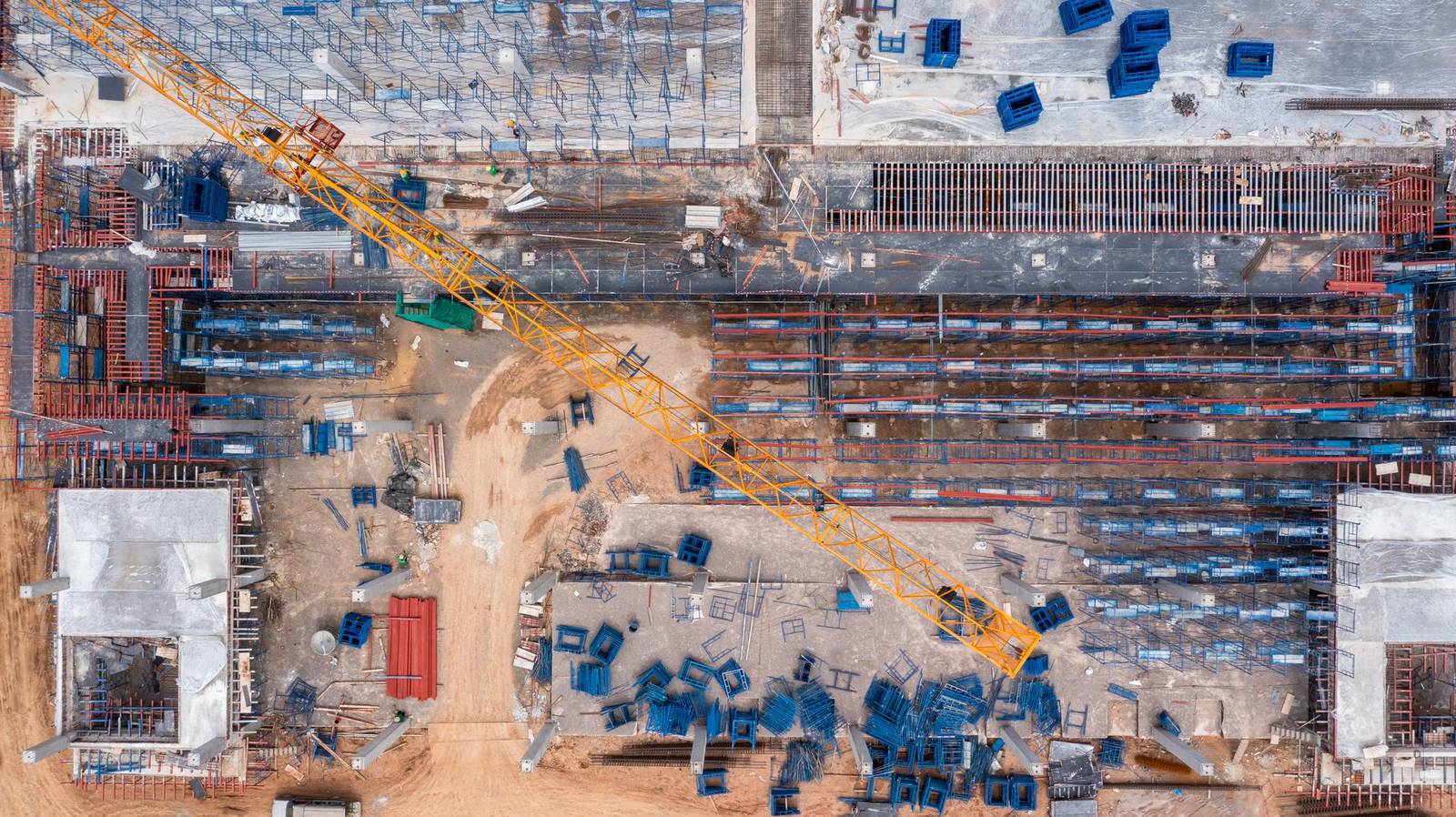
When cranes stack up on the skyline, demand concentrates in work at height: harness-level fall protection for the crews, competent-person depth for the leads, MEWP certification for every lift operator, and outreach cards to satisfy the GC exhibit. We stage multi-course visits that catch a whole project team in one mobilization.
A hot construction market has a training signature: fall protection leads everything (it is OSHA’s most-cited standard nationally, and boom markets amplify it), aerial and scissor lift certification follows the rental fleet, and GC specs make OSHA 10s effectively universal with 30s for anyone running work. New-hire velocity means classes fill as fast as they are scheduled.
Lab and biomanufacturing construction pairs cleanroom-adjacent protocols with conventional trade hazards — lifts in tight interstitial spaces, HazCom on process chemistries, and CM documentation specs from institutional owners. The 10-hour GI card plus aerial certification is the common entry ticket.
The Rules in Massachusetts: State Plan or Federal OSHA?
In Massachusetts, private employers answer to federal OSHA while the state plan covers public workers — a split that trips up plenty of programs. Details on the Massachusetts page; in Boston we train both sides to the rulebook that actually governs them.
Winter Changes the Work
Cold-season work in Boston is its own discipline: ice on steel and scaffolds, gloves that change grip and dexterity, shortened daylight, and layers that interact with harnesses in ways summer training never covered. We schedule accordingly and teach accordingly — fall protection sessions here address icy leading edges and winter gear fit, and jobsite planning treats weather windows as the constraint they really are.
What We Deliver Most Often in Boston
Match the industries to the standards and the Boston shortlist is clear: fall protection (user and competent person), OSHA 30 construction for supervision, aerial and scissor lift (MEWP) certification, scaffold competent-person training, and OSHA 10 construction for the crew. Most clients bundle two or three of those into a single on-site visit — one trip, one price, the whole compliance calendar moved forward. Anything else you need lives in the complete course catalog and travels just as well.
How a Visit to Boston Runs
Booking works the same in Boston as everywhere we deliver: you name the site, we scope the visit, and the instructor arrives with everything the class needs. The practical wins are the ones clients mention afterward — no lost travel days, hands-on portions on the exact equipment your crew runs, and a records package completed on the spot instead of trickling in by email for a month. Scoping takes one conversation. Call (252) 274-0583 or send the details, and we will return a single all-in price and real dates.
We deliver through Boston winters the way your projects run through them: hands-on work planned to the forecast, classroom blocks when the site is frozen out, and gear-and-layers fit worked into any harness training.
Booking a Visit, Start to Finish
Here is the whole process: tell us the course, the crew, and the site; get one price and real dates; hold the class where the work is. We handle materials, evaluations, and documentation end to end. Most first-time clients book a single course and convert to stacked annual visits once they see what one mobilization can carry.
What You Get Beyond the Card
What you are actually buying is defensibility: live instruction from trainers led by an OSHA 500-authorized, NCCCO-certified working professional, hands-on evaluations on your own equipment, and records formatted to survive the strictest audit your industry runs. That formula does not change by geography — it travels to every state on this site.
Coverage Beyond Boston
The instructor who trains your Boston crew covers the whole region — see also Worcester and Springfield, the statewide Massachusetts page, or every location we serve. Multi-site employers routinely combine crews from several locations into one visit.
Frequently Asked Questions
Our crews are mixed-language — can the class still work?
Training only counts if the crew actually understood it — OSHA says so explicitly. Tell us your crew’s language mix when you book and we will structure delivery, materials, and comprehension checks so nobody nods through a class they could not follow.
Are your OSHA 10 and 30 cards the official DOL cards?
Yes — taught live by authorized outreach trainers (OSHA 500 construction, OSHA 501 general industry) with official Department of Labor cards issued through the OSHA Training Institute Education Center that authorizes our trainers. We do not sell self-paced online-video cards, in Boston or anywhere.
Does winter change the training itself?
It changes what we emphasize: harness fit over winter layers, icy-surface fall planning, cold-stress recognition, and rescue timelines that account for exposure. The certifications are the same; the judgment we build into the crew is seasonal. We deliver year-round — weather windows are your call, not ours.
How does pricing work for Boston visits?
One number for the visit: the course or courses, your crew size, and the location decide it. Stacking classes into a single mobilization spreads the travel across everything, which is why most Boston clients book two or three courses per visit. No per-student meters.
Do you have a training center in Boston?
No — and that is the point of the model. 3P Safety Training is headquartered in Goldsboro, North Carolina, and delivers everywhere on-site: our instructors travel to your jobsite or facility in Boston, train your crew on your own equipment, and finish the documentation before they leave. You never lose travel days to a classroom.
Who actually regulates my company in Massachusetts?
If you are a private employer, federal OSHA — Massachusetts’s plan (Massachusetts Workplace Safety (public employees)) covers only state and local government workers. Public agencies answer to the state program. Either way the training requirements are substantively the same, and we deliver to whichever rulebook governs your workforce.