
That is the backdrop 3P Safety Training works against in Hawaii: instructor-led courses delivered at your location, hands-on where the standards demand it, and a documentation habit built on federal-contract discipline. One visit can carry a single class or a full training calendar.
Where the Work Is in Hawaii
Hawaii’s industrial work concentrates around Honolulu Harbor, the military commands at Pearl Harbor and around Oahu, hotel and resort construction and renovation, and the logistics chain that everything on an island depends on. HIOSH runs the state plan with its own quirks and its own inspectors, mobilizing mainland crews here involves acclimatization and logistics planning, and our on-site model — we fly to you — fits the geography better than any classroom ever will.
The metro-level picture sharpens it. In Honolulu, honolulu concentrates Hawaii’s industrial work: Pearl Harbor Naval Shipyard and the Red Hill remediation era, Honolulu Harbor’s lifeline cargo operations, hotel and resort renovation cycles, and the rail project’s long construction tail. In Kailua, kailua’s windward-side economy runs on residential and resort construction, marine trades around the bay, and Marine Corps Base Hawaii next door at Kaneohe. In Hilo, hilo works the Big Island’s east side: the port that supplies it, agricultural operations from macadamia to nursery stock, astronomy-support work up the mountain, and a construction market that rebuilds against rain and lava-zone realities. Each has its own page below with the local detail.
Around the terminals, the training file is dominated by PIT fleets, dock and apron fall protection, and the orientation-grade outreach cards terminal operators expect from day-one hires. Where OSHA’s shoreside rules meet longshore jurisdiction, we keep crews on the right side of the line — and their records legible to whichever inspector arrives.
Base and federal-facility work layers EM 385-1-1 over OSHA: activity hazard analyses, written competent-person designations, and training records reviewed before badging. Contractors who show up with that paperwork in order win the follow-on work; our documentation is built to that review standard from the first class.
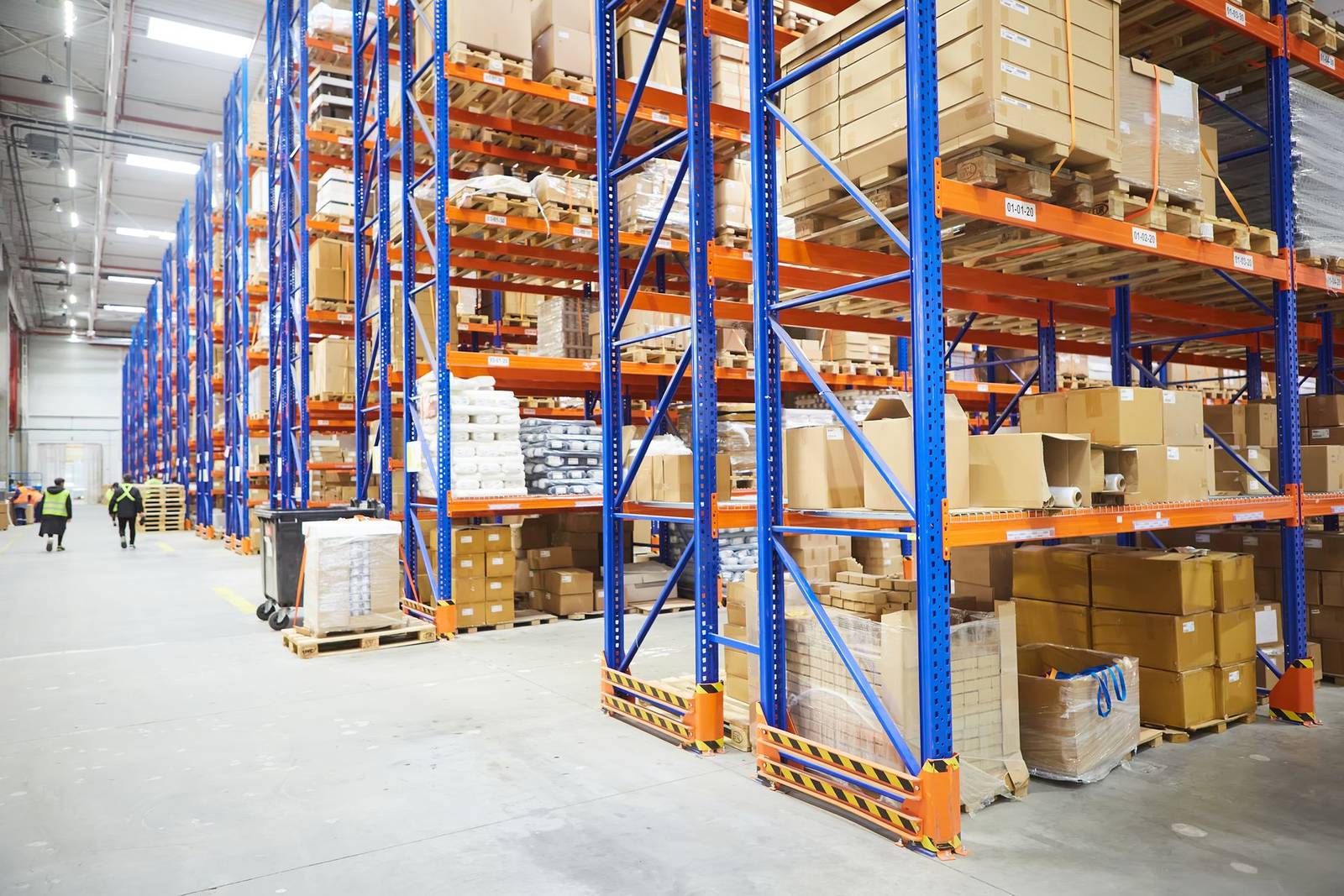
Port-side employers live on powered industrial trucks — container handlers, top loaders, and forklift fleets that run every shift — plus dock-edge fall exposures and trailer-entry discipline. OSHA requires a documented evaluation for every PIT operator at least every three years, and terminal-adjacent warehouses tend to come due in waves. We run fleet-scale certification days for exactly that reason.
Hawaii’s Regulatory Lay of the Land
Hawaii runs its own OSHA-approved state plan: Hawaii Occupational Safety and Health (HIOSH) enforces workplace safety for private and public employers alike, with its own inspectors, its own penalty structure, and in several areas its own standards layered over the federal floor. State plans must be at least as effective as federal OSHA, and many are stricter in practice — which means training built for the federal minimum can leave state-specific gaps. Our courses are delivered against the rules your inspectors actually enforce.
Working the Waterfront
Port and terminal work in Hawaii runs its own rhythm — container yards and PIT fleets, dockboards and trailer moves, and the boundary where OSHA jurisdiction meets longshore rules. For the warehouse-and-drayage side we train constantly: forklift certification at fleet scale, fall protection for dock edges, and orientation-grade outreach cards that terminal operators expect on day one.
Distance Is the First Hazard
Much of Hawaii’s work happens far from the nearest clinic — which turns First Aid/CPR/AED coverage from a checkbox into the response plan. It also makes the economics of training simple: sending a crew to a distant classroom costs more than bringing the instructor to the site. That is the model we run everywhere, and here it is simply the only one that makes sense.
The Hawaii Training Shortlist
The demand profile writes itself from the work above. In Hawaii, the courses we deliver most are heat illness prevention, forklift and powered-industrial-truck certification, fall protection (user and competent person), OSHA 10 general industry, and First Aid/CPR/AED — usually stacked into one visit so a single mobilization covers the crew’s cards, the operators’ evaluations, and the leads’ competent-person depth. The full catalog runs about 25 course lines, and any of them can ride along on the same trip.
How On-Site Delivery Works in Hawaii
The model is simple: you name the site in Hawaii, we bring the training to it. One mobilization can cover several courses back-to-back — outreach cards one day, operator evaluations and competent-person sessions the next — which is almost always cheaper per head than scattering people to public seats. Everything hands-on happens on your equipment, because that is both what the standards intend and what actually sticks. Scoping takes one conversation. Call (252) 274-0583 or send the details, and we will return a single all-in price and real dates.
One scheduling note for Hawaii: if the class involves outdoor hands-on work in summer, we plan it like any other hot-weather task — early starts, shade, water, and the same acclimatization sense we teach. Practicing what the heat course preaches is part of the instruction.
From First Call to Finished Records
Getting started is deliberately boring: a scoping call where you describe the work and the headcount, a quote that comes back as one number, and a date on the calendar. On the day, the instructor arrives early, the classroom block runs tight, the hands-on runs real, and your safety lead signs for a complete records package before anyone leaves. Repeat next year — or add the next course to the same visit.
What You Get Beyond the Card
The difference is who shows up. 3P Safety instructors are led by a founder who still works the field — OSHA 500 authorized, NCCCO-certified on mobile and tower cranes, a certified crane inspector and lift director since coming up through jobsites starting in 2005. Crews listen differently when the person teaching fall protection has hung the steel.
Where We Train in Hawaii
City pages with local detail:
Crews working across state lines are covered too — see California. Every corner of Hawaii is covered either way — these are simply the metros we detail. See all locations.
Frequently Asked Questions
Can one visit cover crews from several of our Hawaii sites?
Yes, and it is the most cost-effective way to book: pull crews into one location for the classroom blocks, then run equipment evaluations at each site as needed. We regularly structure Hawaii visits exactly that way for employers with multiple yards, plants, or jobsites.
How fast can you mobilize to Hawaii?
Tell us the course and the headcount and we will give you real dates with the quote — typically within a couple of weeks, faster when a project deadline or audit is driving it. We schedule around your operation, including nights, weekends, and shutdown windows.
How does pricing work for Hawaii visits?
One number for the visit: the course or courses, your crew size, and the location decide it. Stacking classes into a single mobilization spreads the travel across everything, which is why most Hawaii clients book two or three courses per visit. No per-student meters.
Do we really need formal heat illness training in Hawaii?
Yes — OSHA cites heat hazards under the General Duty Clause and runs a national emphasis program that puts inspectors on sites in hot weather, and state-plan rules can go further. More to the point, heat kills workers here in a normal year, and most of the deaths are new or returning workers who were never acclimatized. A program tailored to your job and crew is cheap insurance against both outcomes.
We bid federal work — do you train to EM 385-1-1 expectations?
Our founder’s background includes federal contracts where EM 385-1-1 governs alongside OSHA, and our documentation is built to that review standard: written designations, activity-hazard-analysis-ready training records, and competent-person paperwork that survives a government safety office. It is a genuine differentiator when your next bid needs it.
Can you handle forklift re-evaluations for a large fleet?
Yes — high-headcount PIT programs are core work for us. OSHA requires a documented evaluation for every operator at least every three years, and fleets tend to come due in waves. We run multi-day visits that certify new operators and re-evaluate the rest, per class of truck, with records fleet-managers can file by name and date.