
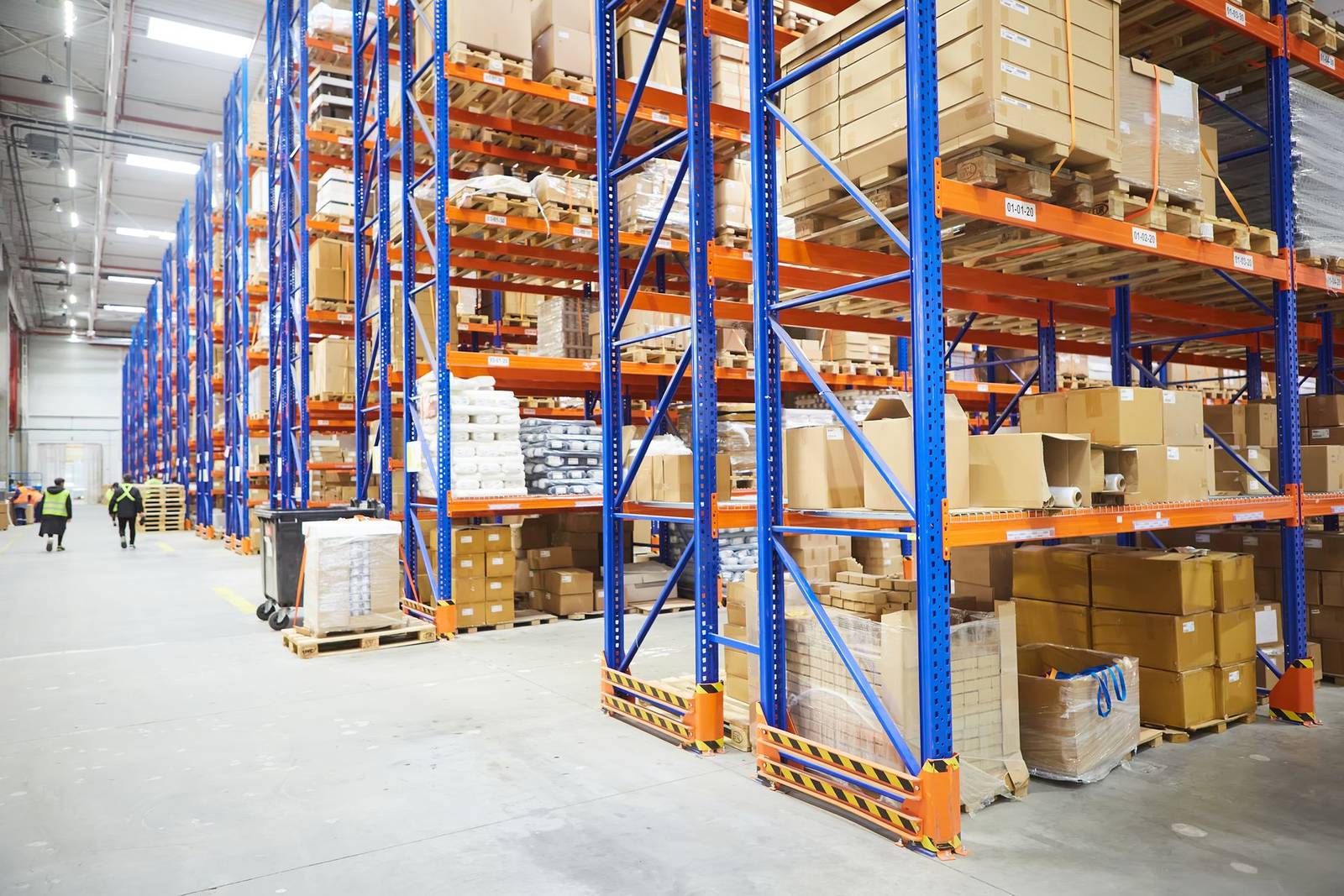
3P Safety Training covers Maryland the way we cover the rest of the country: certified instructors mobilize to your jobsite or facility, teach live, evaluate hands-on, and hand your safety lead an audit-ready record set the same day. No classroom commutes, no per-student games.
Where the Work Is in Maryland
Maryland’s industrial heart is the Port of Baltimore — autos, containers, and the rebuilding era that followed the Key Bridge collapse — ringed by the warehouse corridor along I-95 and a federal-contracting economy from Fort Meade to Aberdeen Proving Ground. MOSH runs the state plan with its own emphasis programs, and federal facility work layers EM 385-1-1 expectations on top of OSHA for many of the contractors we train.
Zoom in and the state’s training map has three centers of gravity. In Silver Spring, silver Spring rides the federal-institutional economy — FDA’s White Oak campus, NOAA headquarters, WMATA’s construction and maintenance programs, and the Purple Line’s long build. In Baltimore, baltimore is a working port city in a rebuilding era — the Key Bridge replacement and the harbor economy around it, auto terminals, Tradepoint Atlantic’s industrial rebirth at Sparrows Point, and a rowhouse-to-highrise construction mix. In Columbia, columbia sits between Baltimore and Washington in the Fort Meade cyber corridor — defense contractors, data infrastructure, and the commercial construction that follows federal money. Each has its own page below with the local detail.
Port-side employers live on powered industrial trucks — container handlers, top loaders, and forklift fleets that run every shift — plus dock-edge fall exposures and trailer-entry discipline. OSHA requires a documented evaluation for every PIT operator at least every three years, and terminal-adjacent warehouses tend to come due in waves. We run fleet-scale certification days for exactly that reason.
Federal construction and facility contracts audit safety training as a submittal, not a formality — EM 385-1-1 expectations, designation letters, and rosters that match badges. We paper every course to that standard by default, which turns training from a compliance cost into a past-performance asset.
Around the terminals, the training file is dominated by PIT fleets, dock and apron fall protection, and the orientation-grade outreach cards terminal operators expect from day-one hires. Where OSHA’s shoreside rules meet longshore jurisdiction, we keep crews on the right side of the line — and their records legible to whichever inspector arrives.
The Rules in Maryland: State Plan or Federal OSHA?
The regulator here is Maryland Occupational Safety and Health (MOSH) — Maryland operates its own OSHA-approved state plan, covering private and public employers with state inspectors and, in places, requirements that run past the federal baseline. For training, the practical meaning is simple: the class must reflect the rules your citations would actually cite. Ours does, because a course written to the federal floor and shipped nationwide is exactly the gap state-plan inspectors know how to find.
Winter Changes the Work
Cold-season work in Maryland is its own discipline: ice on steel and scaffolds, gloves that change grip and dexterity, shortened daylight, and layers that interact with harnesses in ways summer training never covered. We schedule accordingly and teach accordingly — fall protection sessions here address icy leading edges and winter gear fit, and jobsite planning treats weather windows as the constraint they really are.
Federal Sites Raise the Bar
Federal facility work around Maryland layers EM 385-1-1 expectations over OSHA — activity hazard analyses, competent-person designations in writing, and training documentation reviewed before badges issue. Our founder’s federal-contract background is baked into how we paper every course, which is why contractors chasing government work in Maryland tend to keep us on speed dial.
What We Deliver Most Often in Maryland
Translate the local economy into OSHA standards and the Maryland booking sheet writes itself: forklift and powered-industrial-truck certification, fall protection (user and competent person), OSHA 10 general industry, First Aid/CPR/AED, and OSHA 30 construction for supervision. Stack two or three into one visit and the mobilization pays for itself in avoided travel alone — the full catalog covers the rest whenever your program needs it.
How On-Site Delivery Works in Maryland
Our instructors mobilize to Maryland with the class built around your operation: your equipment for the hands-on work, your procedures where the standard requires site-specific training, your schedule — including nights and weekends — for the calendar. What stays constant is the paperwork discipline: tests scored, evaluations signed, certificates issued before the truck leaves the lot. Tell us the course, the crew size, and the jobsite or facility — request a quote or call (252) 274-0583 and you will have one number for the visit the same week.
We deliver through Maryland winters the way your projects run through them: hands-on work planned to the forecast, classroom blocks when the site is frozen out, and gear-and-layers fit worked into any harness training.
Booking a Visit, Start to Finish
Here is the whole process: tell us the course, the crew, and the site; get one price and real dates; hold the class where the work is. We handle materials, evaluations, and documentation end to end. Most first-time clients book a single course and convert to stacked annual visits once they see what one mobilization can carry.
Why Maryland Employers Call Us Back
We built this company on a simple observation from two decades in the field: training sticks when it happens where the work happens, taught by someone who does the work. Founder Patrick Salazar’s credentials — OSHA 500, NCCCO mobile and tower operator, certified crane inspector, lift director — set the bar for every instructor who teaches under the 3P name.
Where We Train in Maryland
City pages with local detail:
Crews working across state lines are covered too — see Virginia, Pennsylvania, Delaware. Every corner of Maryland is covered either way — these are simply the metros we detail. See all locations.
Frequently Asked Questions
Do you have a training center in Maryland?
No — and that is the point of the model. 3P Safety Training is headquartered in Goldsboro, North Carolina, and delivers everywhere on-site: our instructors travel to your jobsite or facility in Maryland, train your crew on your own equipment, and finish the documentation before they leave. You never lose travel days to a classroom.
Can one visit cover crews from several of our Maryland sites?
Yes, and it is the most cost-effective way to book: pull crews into one location for the classroom blocks, then run equipment evaluations at each site as needed. We regularly structure Maryland visits exactly that way for employers with multiple yards, plants, or jobsites.
Can you handle forklift re-evaluations for a large fleet?
Yes — high-headcount PIT programs are core work for us. OSHA requires a documented evaluation for every operator at least every three years, and fleets tend to come due in waves. We run multi-day visits that certify new operators and re-evaluate the rest, per class of truck, with records fleet-managers can file by name and date.
Does Maryland Occupational Safety and Health (MOSH) change what training my crew needs?
The core federal requirements still apply, but state plans can add standards and emphasis programs of their own — and Maryland Occupational Safety and Health (MOSH) enforces with its own inspectors. Our courses teach the overlay where it exists, and your documentation is built to satisfy the inspector who actually shows up: the state one.
Are your OSHA 10 and 30 cards the official DOL cards?
Yes — taught live by authorized outreach trainers (OSHA 500 construction, OSHA 501 general industry) with official Department of Labor cards issued through the OSHA Training Institute Education Center that authorizes our trainers. We do not sell self-paced online-video cards, in Maryland or anywhere.
Does winter change the training itself?
It changes what we emphasize: harness fit over winter layers, icy-surface fall planning, cold-stress recognition, and rescue timelines that account for exposure. The certifications are the same; the judgment we build into the crew is seasonal. We deliver year-round — weather windows are your call, not ours.