
Every course in our catalog travels: 3P Safety Training delivers across New York at your site, led by working instructors rather than video portals, with hands-on evaluations on your own equipment and records formatted for the inspections and audits New York employers actually face.
New York’s Working Economy — and What It Asks of Training
New York is really two markets. New York City runs under its own gravity: Local Law 196 site-safety-training hours for workers and supervisors, DOB site-safety plans, the Scaffold Law’s absolute liability pushing owners and GCs to over-train rather than under-train, and vertical work as the default condition. Upstate runs chips (Micron’s Syracuse-area megafab and the Albany nanotech corridor), advanced manufacturing in Rochester and Buffalo, and Great Lakes port and grain work. Private employers statewide are federal OSHA jurisdiction — PESH covers public workers — but in the five boroughs, the city’s rules are the ones crews feel daily.
The metro-level picture sharpens it. In Rochester, rochester works precision: optics and photonics (the Kodak legacy turned supplier ecosystem), food production, and a construction market rebuilding institutional and industrial stock. In New York City, new York City is its own regulatory planet: Local Law 196’s site-safety-training hours, DOB site-safety plans, the Scaffold Law’s absolute liability, and vertical work as the default condition. In Buffalo, buffalo’s industrial second act is real: advanced manufacturing at RiverBend, the medical campus construction run, Great Lakes port and grain-elevator work, and the trades serving a rebuilding city. Each has its own page below with the local detail.
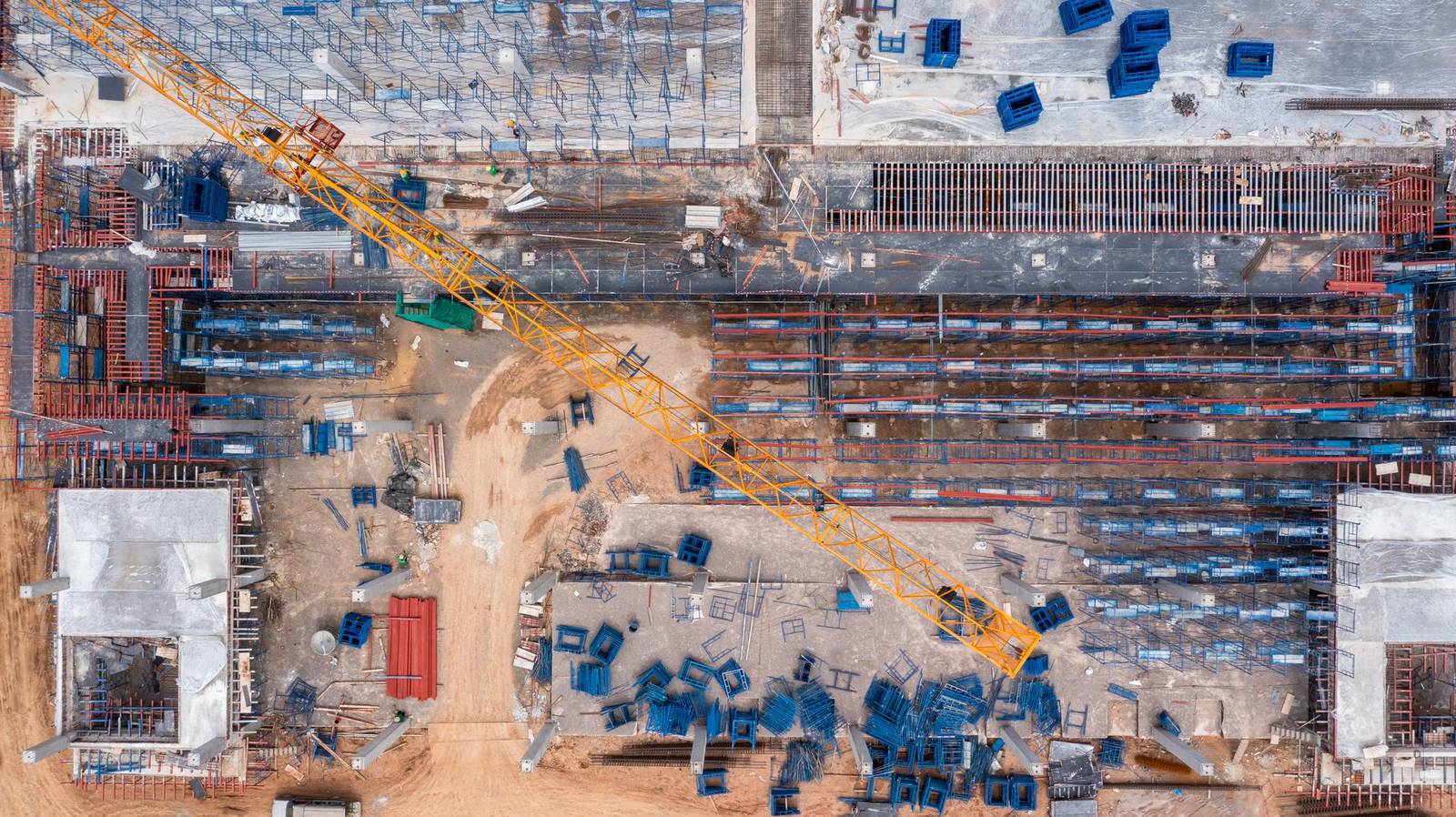
When cranes stack up on the skyline, demand concentrates in work at height: harness-level fall protection for the crews, competent-person depth for the leads, MEWP certification for every lift operator, and outreach cards to satisfy the GC exhibit. We stage multi-course visits that catch a whole project team in one mobilization.
A hot construction market has a training signature: fall protection leads everything (it is OSHA’s most-cited standard nationally, and boom markets amplify it), aerial and scissor lift certification follows the rental fleet, and GC specs make OSHA 10s effectively universal with 30s for anyone running work. New-hire velocity means classes fill as fast as they are scheduled.
OSHA in New York: Who Enforces What
New York occupies a middle category: its state plan (NY PESH (public employees)) covers state and local government employees only, while private-sector employers answer to federal OSHA. If you run a private company, your inspections, citations, and standards come from the federal side; if you are a municipality or state agency, the state program is your regulator. We train both — same courses, with the jurisdictional lines explained so your program cites the right rulebook.
The Five Boroughs Play by Their Own Book
In New York City, OSHA cards are only the beginning: Local Law 196 requires site-safety-training hours for workers and supervisors on covered jobs, DOB expects site-specific safety plans, and the Scaffold Law makes gravity a legal doctrine. Our outreach classes count toward the hours the city checks, and our scaffold and fall protection courses are built for the exposures that law was written about.
Winter Changes the Work
Cold-season work in New York is its own discipline: ice on steel and scaffolds, gloves that change grip and dexterity, shortened daylight, and layers that interact with harnesses in ways summer training never covered. We schedule accordingly and teach accordingly — fall protection sessions here address icy leading edges and winter gear fit, and jobsite planning treats weather windows as the constraint they really are.
What We Deliver Most Often in New York
Our New York calendar fills with a familiar shortlist — fall protection (user and competent person), OSHA 10 construction for the crew, OSHA 30 construction for supervision, scaffold competent-person training, and aerial and scissor lift (MEWP) certification — because that is what the work here demands. All of it delivers on-site, most of it combines into a single visit, and the complete course list is one click away when the program grows.
How a Visit to New York Runs
We run New York the way we run every state: the instructor mobilizes to you, the class is built around your operation, and the paperwork is finished on-site. Multi-course visits are the norm — pairing an outreach class with forklift evaluations and a competent-person course turns one trip into a whole compliance calendar. If your schedule runs nights or weekends, the training does too. Scoping takes one conversation. Call (252) 274-0583 or send the details, and we will return a single all-in price and real dates.
We deliver through New York winters the way your projects run through them: hands-on work planned to the forecast, classroom blocks when the site is frozen out, and gear-and-layers fit worked into any harness training.
The Process, In Plain Terms
Getting started is deliberately boring: a scoping call where you describe the work and the headcount, a quote that comes back as one number, and a date on the calendar. On the day, the instructor arrives early, the classroom block runs tight, the hands-on runs real, and your safety lead signs for a complete records package before anyone leaves. Repeat next year — or add the next course to the same visit.
The 3P Standard, Delivered in New York
We built this company on a simple observation from two decades in the field: training sticks when it happens where the work happens, taught by someone who does the work. Founder Patrick Salazar’s credentials — OSHA 500, NCCCO mobile and tower operator, certified crane inspector, lift director — set the bar for every instructor who teaches under the 3P name.
Where We Train in New York
City pages with local detail:
Crews working across state lines are covered too — see New Jersey, Connecticut, Pennsylvania. Every corner of New York is covered either way — these are simply the metros we detail. See all locations.
Frequently Asked Questions
Our crews are mixed-language — can the class still work?
Training only counts if the crew actually understood it — OSHA says so explicitly. Tell us your crew’s language mix when you book and we will structure delivery, materials, and comprehension checks so nobody nods through a class they could not follow.
Does winter change the training itself?
It changes what we emphasize: harness fit over winter layers, icy-surface fall planning, cold-stress recognition, and rescue timelines that account for exposure. The certifications are the same; the judgment we build into the crew is seasonal. We deliver year-round — weather windows are your call, not ours.
Are your OSHA 10 and 30 cards the official DOL cards?
Yes — taught live by authorized outreach trainers (OSHA 500 construction, OSHA 501 general industry) with official Department of Labor cards issued through the OSHA Training Institute Education Center that authorizes our trainers. We do not sell self-paced online-video cards, in New York or anywhere.
Do your classes count toward NYC Local Law 196 hours?
OSHA 10 and 30 outreach classes are core building blocks of the city’s Site Safety Training hour requirements, and our live delivery model fits the DOB’s expectations for verifiable instruction. Tell us the SST card status of your workers and we will map exactly which hours our classes cover toward the total.
How does pricing work for New York visits?
One number for the visit: the course or courses, your crew size, and the location decide it. Stacking classes into a single mobilization spreads the travel across everything, which is why most New York clients book two or three courses per visit. No per-student meters.
How fast can you mobilize to New York?
Tell us the course and the headcount and we will give you real dates with the quote — typically within a couple of weeks, faster when a project deadline or audit is driving it. We schedule around your operation, including nights, weekends, and shutdown windows.