
3P Safety Training answers that demand the direct way — instructors on your Connecticut site, courses matched to the work, and same-day records. No classroom commute, no video portal, no paperwork chase afterward.
Connecticut’s Working Economy — and What It Asks of Training
Connecticut manufactures at the precision end: submarines at Electric Boat in Groton, jet engines at Pratt & Whitney, helicopters at Sikorsky, and the machine shops and aerospace suppliers that feed all three. Private employers answer to federal OSHA (CONN-OSHA covers only state and municipal workers), and the defense primes push safety requirements down through every subcontract — which is usually the moment a supplier calls us about LOTO, machine guarding, confined space, and crane-adjacent rigging awareness.
The metro-level picture sharpens it. In Hartford, hartford’s industrial weight sits just outside the insurance towers: Pratt & Whitney’s East Hartford engine works and the precision-machining suppliers that feed it across the river towns. In New Haven, new Haven works its harbor — petroleum terminals and break-bulk cargo — while Yale’s construction program and a growing bioscience corridor keep commercial trades busy. In Bridgeport, bridgeport is rebuilding its industrial waterfront: Sikorsky builds helicopters next door in Stratford, the harbor hosts ferry and barge operations, and the old manufacturing base has been joined by offshore-wind staging ambitions along the Sound. Each has its own page below with the local detail.
Defense-electronics and precision-defense manufacturing inherit prime flow-downs: documented HazCom, LOTO, PIT, and ESD-adjacent chemical handling, auditable on request. Suppliers who keep that file current keep the contracts; we keep the file current.
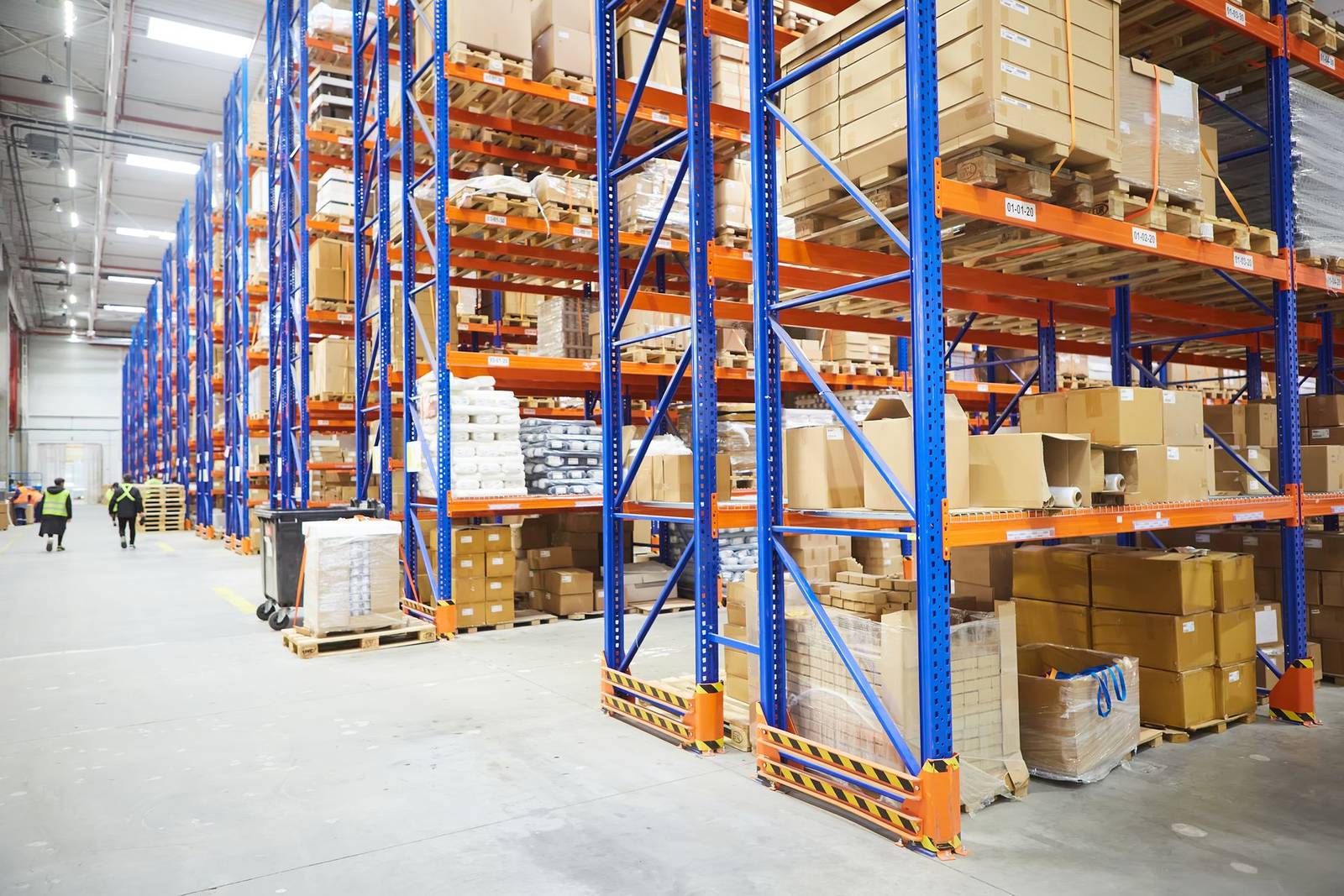
Manufacturing demand is the durable kind: LOTO authorized-employee training for maintenance, affected-employee awareness for operators, guarding discipline at the point of operation, HazCom on the chemical inventory, and forklift evaluations on a three-year clock. We keep standing calendars for plants that prefer compliance on schedule rather than by surprise.
Plant-floor training runs on four standards that never leave OSHA’s citation top ten: lockout/tagout, machine guarding, hazard communication, and powered industrial trucks. Mid-size manufacturers book them as a bundle — one visit, every shift, records complete — because that is cheaper than four separate classes and infinitely cheaper than the citation.
Connecticut’s Regulatory Lay of the Land
Connecticut occupies a middle category: its state plan (CONN-OSHA (state and municipal employees)) covers state and local government employees only, while private-sector employers answer to federal OSHA. If you run a private company, your inspections, citations, and standards come from the federal side; if you are a municipality or state agency, the state program is your regulator. We train both — same courses, with the jurisdictional lines explained so your program cites the right rulebook.
Winter Changes the Work
Cold-season work in Connecticut is its own discipline: ice on steel and scaffolds, gloves that change grip and dexterity, shortened daylight, and layers that interact with harnesses in ways summer training never covered. We schedule accordingly and teach accordingly — fall protection sessions here address icy leading edges and winter gear fit, and jobsite planning treats weather windows as the constraint they really are.
The Connecticut Training Shortlist
Our Connecticut calendar fills with a familiar shortlist — fall protection (user and competent person), HazCom / GHS, lockout/tagout, machine guarding, and forklift and powered-industrial-truck certification — because that is what the work here demands. All of it delivers on-site, most of it combines into a single visit, and the complete course list is one click away when the program grows.
How a Visit to Connecticut Runs
Our instructors mobilize to Connecticut with the class built around your operation: your equipment for the hands-on work, your procedures where the standard requires site-specific training, your schedule — including nights and weekends — for the calendar. What stays constant is the paperwork discipline: tests scored, evaluations signed, certificates issued before the truck leaves the lot. Tell us the course, the crew size, and the jobsite or facility — request a quote or call (252) 274-0583 and you will have one number for the visit the same week.
We deliver through Connecticut winters the way your projects run through them: hands-on work planned to the forecast, classroom blocks when the site is frozen out, and gear-and-layers fit worked into any harness training.
Booking a Visit, Start to Finish
From first call to finished records, the sequence is short: scope (ten minutes on the phone), quote (one number, usually same-week), schedule (your calendar wins), deliver (on-site, hands-on), document (same day). No portals, no per-student surprises, no chasing certificates across email.
The 3P Standard, Delivered in Connecticut
We treat training records as a product, not a byproduct: every visit ends with a complete, legible, audit-ready package because our founder’s federal-contract background taught us how documentation actually gets reviewed. Employers who have been burned by a vendor’s missing paperwork tend to stay once they see ours.
Where We Train in Connecticut
City pages with local detail:
Crews working across state lines are covered too — see New York, Massachusetts, Rhode Island. Every corner of Connecticut is covered either way — these are simply the metros we detail. See all locations.
Frequently Asked Questions
Do you have a training center in Connecticut?
No — and that is the point of the model. 3P Safety Training is headquartered in Goldsboro, North Carolina, and delivers everywhere on-site: our instructors travel to your jobsite or facility in Connecticut, train your crew on your own equipment, and finish the documentation before they leave. You never lose travel days to a classroom.
Does winter change the training itself?
It changes what we emphasize: harness fit over winter layers, icy-surface fall planning, cold-stress recognition, and rescue timelines that account for exposure. The certifications are the same; the judgment we build into the crew is seasonal. We deliver year-round — weather windows are your call, not ours.
How does pricing work for Connecticut visits?
One number for the visit: the course or courses, your crew size, and the location decide it. Stacking classes into a single mobilization spreads the travel across everything, which is why most Connecticut clients book two or three courses per visit. No per-student meters.
Our host employer audits contractor training — will your records pass?
That is the standard we build to. Rosters, tests, hands-on evaluation sheets, trainer credentials, and card records are completed on-site and handed over the same day, formatted the way plant and fab contractor-safety gates expect. If a specific host requires extra fields or formats, send us the spec and the paperwork will match it.
Who actually regulates my company in Connecticut?
If you are a private employer, federal OSHA — Connecticut’s plan (CONN-OSHA (state and municipal employees)) covers only state and local government workers. Public agencies answer to the state program. Either way the training requirements are substantively the same, and we deliver to whichever rulebook governs your workforce.
How fast can you mobilize to Connecticut?
Tell us the course and the headcount and we will give you real dates with the quote — typically within a couple of weeks, faster when a project deadline or audit is driving it. We schedule around your operation, including nights, weekends, and shutdown windows.