
3P Safety Training answers that demand the direct way — instructors on your Oregon site, courses matched to the work, and same-day records. No classroom commute, no video portal, no paperwork chase afterward.
What Oregon Crews Actually Work On
Oregon OSHA is one of the most distinctive state plans in the country — it adopted permanent heat and wildfire-smoke exposure rules ahead of federal action, runs its own penalty and consultation structure, and inspects with real frequency. The work spans Intel’s Hillsboro campuses (among the largest fab complexes anywhere), the semiconductor supplier ring, forest products from the Coast Range to the Cascades, and Portland’s harbor and manufacturing corridor. Training delivered to federal minimums leaves Oregon-specific gaps; we teach to the Oregon overlay.
Zoom in and the state’s training map has three centers of gravity. In Eugene, eugene works the southern Willamette: wood products from mills to mass-timber innovation, RV manufacturing’s remnant cluster, food processing, and university-cycle construction. In Salem, salem pairs the capital’s construction cycle with the mid-valley’s food-processing belt — canneries, frozen-food plants, and the ag operations feeding them. In Portland, portland’s industrial west side runs the Silicon Forest — Intel’s Hillsboro fabs and the supplier ecosystem — while the harbor works steel, autos, and grain, and the metro builds through its housing push. Each has its own page below with the local detail.
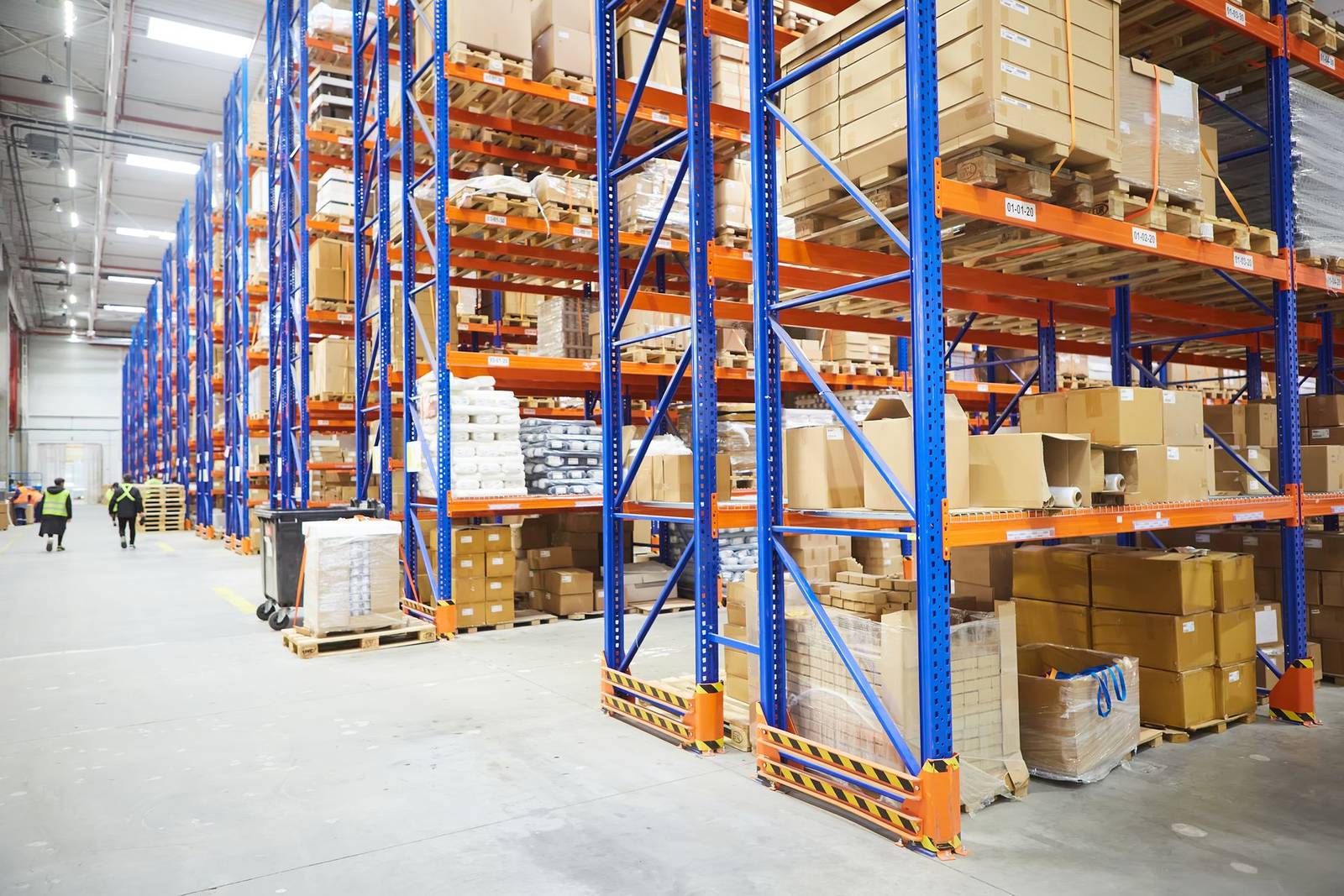
Port-side employers live on powered industrial trucks — container handlers, top loaders, and forklift fleets that run every shift — plus dock-edge fall exposures and trailer-entry discipline. OSHA requires a documented evaluation for every PIT operator at least every three years, and terminal-adjacent warehouses tend to come due in waves. We run fleet-scale certification days for exactly that reason.
Wood products and forest-industry sites run saws, chippers, and material handling that make machine guarding and LOTO the headline standards, with PIT fleets in the yards and first-aid coverage for operations far from town. Mill maintenance windows are the natural training windows — we schedule inside them.
Around the terminals, the training file is dominated by PIT fleets, dock and apron fall protection, and the orientation-grade outreach cards terminal operators expect from day-one hires. Where OSHA’s shoreside rules meet longshore jurisdiction, we keep crews on the right side of the line — and their records legible to whichever inspector arrives.
Who Runs OSHA Enforcement in Oregon
Oregon belongs to the state-plan side of the OSHA map: Oregon OSHA writes the inspection schedule and, where it has adopted stricter rules, the standard itself. Employers moving in from federal-jurisdiction states are sometimes surprised by the differences; our instructors teach them explicitly, so your program and your paperwork match the agency that will actually review them.
Working the Waterfront
Port and terminal work in Oregon runs its own rhythm — container yards and PIT fleets, dockboards and trailer moves, and the boundary where OSHA jurisdiction meets longshore rules. For the warehouse-and-drayage side we train constantly: forklift certification at fleet scale, fall protection for dock edges, and orientation-grade outreach cards that terminal operators expect on day one.
Trained to the State Overlay
This is one of the state plans with real teeth — standards that exceed federal OSHA in specific, enforceable ways, and inspectors who know their own rulebook cold. Training bought off a national video shelf tends to teach the federal floor and stop; ours is delivered by live instructors who teach the overlay your inspectors will actually test against.
Most-Requested Courses Across Oregon
Match the industries to the standards and the Oregon shortlist is clear: OSHA 30 general industry for plant leadership, HazCom / GHS, aerial and scissor lift (MEWP) certification, fall protection (user and competent person), and machine guarding. Most clients bundle two or three of those into a single on-site visit — one trip, one price, the whole compliance calendar moved forward. Anything else you need lives in the complete course catalog and travels just as well.
Bringing the Classroom to Oregon
Every course on this site is delivered the same way in Oregon: on-site, instructor-led, on your schedule. We scope the visit around your crew list — cards for the whole roster, operator evaluations on your machines, competent-person depth for the leads — and stack multiple courses into one mobilization so the travel gets spread across everything you need instead of billed to one class. Records are completed and handed over before the instructor leaves. Send us the details — course, headcount, jobsite or facility — or call (252) 274-0583, and we will map the visit and price it as one number.
Booking a Visit, Start to Finish
Getting started is deliberately boring: a scoping call where you describe the work and the headcount, a quote that comes back as one number, and a date on the calendar. On the day, the instructor arrives early, the classroom block runs tight, the hands-on runs real, and your safety lead signs for a complete records package before anyone leaves. Repeat next year — or add the next course to the same visit.
Why Oregon Employers Call Us Back
We built this company on a simple observation from two decades in the field: training sticks when it happens where the work happens, taught by someone who does the work. Founder Patrick Salazar’s credentials — OSHA 500, NCCCO mobile and tower operator, certified crane inspector, lift director — set the bar for every instructor who teaches under the 3P name.
Where We Train in Oregon
City pages with local detail:
Crews working across state lines are covered too — see Washington, California, Idaho. Every corner of Oregon is covered either way — these are simply the metros we detail. See all locations.
Frequently Asked Questions
Can you handle forklift re-evaluations for a large fleet?
Yes — high-headcount PIT programs are core work for us. OSHA requires a documented evaluation for every operator at least every three years, and fleets tend to come due in waves. We run multi-day visits that certify new operators and re-evaluate the rest, per class of truck, with records fleet-managers can file by name and date.
Can one visit cover crews from several of our Oregon sites?
Yes, and it is the most cost-effective way to book: pull crews into one location for the classroom blocks, then run equipment evaluations at each site as needed. We regularly structure Oregon visits exactly that way for employers with multiple yards, plants, or jobsites.
Our host employer audits contractor training — will your records pass?
That is the standard we build to. Rosters, tests, hands-on evaluation sheets, trainer credentials, and card records are completed on-site and handed over the same day, formatted the way plant and fab contractor-safety gates expect. If a specific host requires extra fields or formats, send us the spec and the paperwork will match it.
Are your OSHA 10 and 30 cards the official DOL cards?
Yes — taught live by authorized outreach trainers (OSHA 500 construction, OSHA 501 general industry) with official Department of Labor cards issued through the OSHA Training Institute Education Center that authorizes our trainers. We do not sell self-paced online-video cards, in Oregon or anywhere.
Does Oregon OSHA change what training my crew needs?
The core federal requirements still apply, but state plans can add standards and emphasis programs of their own — and Oregon OSHA enforces with its own inspectors. Our courses teach the overlay where it exists, and your documentation is built to satisfy the inspector who actually shows up: the state one.
How does pricing work for Oregon visits?
One number for the visit: the course or courses, your crew size, and the location decide it. Stacking classes into a single mobilization spreads the travel across everything, which is why most Oregon clients book two or three courses per visit. No per-student meters.