
3P Safety Training answers that demand the direct way — instructors on your Washington site, courses matched to the work, and same-day records. No classroom commute, no video portal, no paperwork chase afterward.
What Washington Crews Actually Work On
Washington’s Department of Labor & Industries runs one of the strictest state plans in the nation — its own permanent heat and wildfire-smoke rules, its own fall-protection quirks, and an enforcement posture contractors learn quickly. The work is aerospace (Boeing’s Everett and Renton lines plus the supplier web), the Ports of Seattle and Tacoma, Amazon-era warehouse buildout, and a Seattle construction market that has kept tower cranes stacked for a decade. Training to federal minimums is not compliance here; we deliver to the L&I overlay.
Zoom in and the state’s training map has three centers of gravity. In Tacoma, tacoma works the tideflats: the port’s container and breakbulk terminals, JBLM’s federal economy next door, and an industrial base from wood products to specialty chemicals. In Seattle, seattle stacked tower cranes for a decade and still runs one of the nation’s busiest construction markets, with Boeing’s fuselage-to-final ecosystem north and south of the city and the port’s terminals on the bay. In Spokane, spokane serves the Inland Northwest: aerospace suppliers and metals manufacturing in the valley, the region’s medical-district construction, and crews that work sites across eastern Washington, the Idaho panhandle, and western Montana. Each has its own page below with the local detail.
A hot construction market has a training signature: fall protection leads everything (it is OSHA’s most-cited standard nationally, and boom markets amplify it), aerial and scissor lift certification follows the rental fleet, and GC specs make OSHA 10s effectively universal with 30s for anyone running work. New-hire velocity means classes fill as fast as they are scheduled.
Aerospace and MRO floors mix precision with exposure: fuselage and tank entries that are textbook confined spaces, paint and composite operations that drive respirator programs, HazCom on sealants and solvents, and fall protection around aircraft. OEM and prime flow-downs push those training specs to every supplier — arriving pre-documented is a competitive advantage.
Around the terminals, the training file is dominated by PIT fleets, dock and apron fall protection, and the orientation-grade outreach cards terminal operators expect from day-one hires. Where OSHA’s shoreside rules meet longshore jurisdiction, we keep crews on the right side of the line — and their records legible to whichever inspector arrives.
Washington’s Regulatory Lay of the Land
The regulator here is WA DOSH (L&I) — Washington operates its own OSHA-approved state plan, covering private and public employers with state inspectors and, in places, requirements that run past the federal baseline. For training, the practical meaning is simple: the class must reflect the rules your citations would actually cite. Ours does, because a course written to the federal floor and shipped nationwide is exactly the gap state-plan inspectors know how to find.
Working the Waterfront
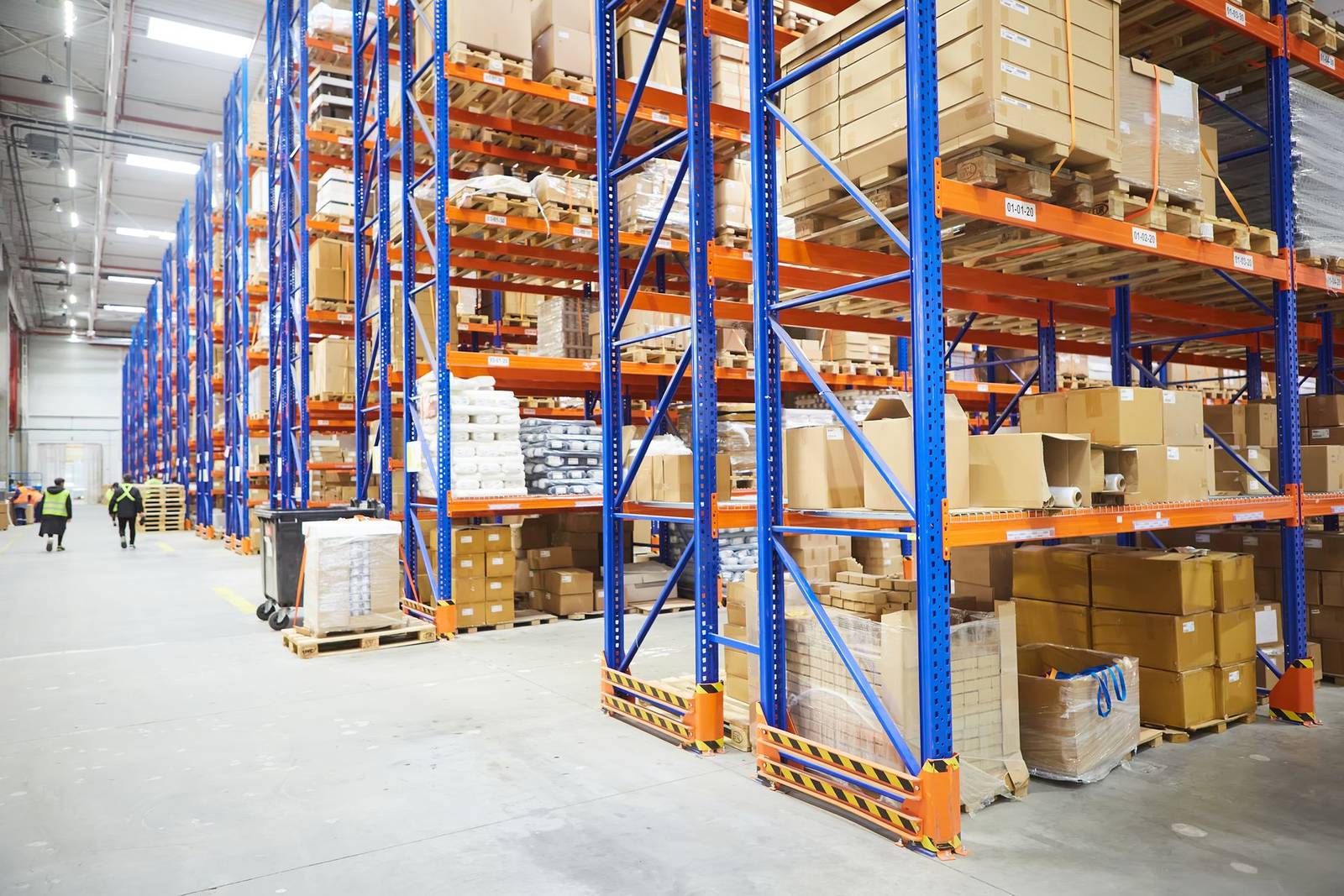
Port and terminal work in Washington runs its own rhythm — container yards and PIT fleets, dockboards and trailer moves, and the boundary where OSHA jurisdiction meets longshore rules. For the warehouse-and-drayage side we train constantly: forklift certification at fleet scale, fall protection for dock edges, and orientation-grade outreach cards that terminal operators expect on day one.
Trained to the State Overlay
This is one of the state plans with real teeth — standards that exceed federal OSHA in specific, enforceable ways, and inspectors who know their own rulebook cold. Training bought off a national video shelf tends to teach the federal floor and stop; ours is delivered by live instructors who teach the overlay your inspectors will actually test against.
What We Deliver Most Often in Washington
Translate the local economy into OSHA standards and the Washington booking sheet writes itself: HazCom / GHS, respiratory protection, fall protection (user and competent person), lockout/tagout, and forklift and powered-industrial-truck certification. Stack two or three into one visit and the mobilization pays for itself in avoided travel alone — the full catalog covers the rest whenever your program needs it.
On-Site Training, Washington Edition
There is no classroom to drive to, in Washington or anywhere else — our instructors travel to your jobsite, plant, or warehouse and deliver the course where your crew already is. You supply the people and a place to sit for the classroom blocks; we bring the materials, the evaluations, and the documentation, and hands-on portions run on your own equipment and your own floor. Scheduling follows your operation, not ours: nights, weekends, and turnaround windows are normal bookings, not special requests. Send us the details — course, headcount, jobsite or facility — or call (252) 274-0583, and we will map the visit and price it as one number.
Booking a Visit, Start to Finish
Here is the whole process: tell us the course, the crew, and the site; get one price and real dates; hold the class where the work is. We handle materials, evaluations, and documentation end to end. Most first-time clients book a single course and convert to stacked annual visits once they see what one mobilization can carry.
What You Get Beyond the Card
We built this company on a simple observation from two decades in the field: training sticks when it happens where the work happens, taught by someone who does the work. Founder Patrick Salazar’s credentials — OSHA 500, NCCCO mobile and tower operator, certified crane inspector, lift director — set the bar for every instructor who teaches under the 3P name.
Where We Train in Washington
City pages with local detail:
Crews working across state lines are covered too — see Oregon, Idaho, Alaska. Every corner of Washington is covered either way — these are simply the metros we detail. See all locations.
Frequently Asked Questions
Does WA DOSH (L&I) change what training my crew needs?
The core federal requirements still apply, but state plans can add standards and emphasis programs of their own — and WA DOSH (L&I) enforces with its own inspectors. Our courses teach the overlay where it exists, and your documentation is built to satisfy the inspector who actually shows up: the state one.
How does pricing work for Washington visits?
One number for the visit: the course or courses, your crew size, and the location decide it. Stacking classes into a single mobilization spreads the travel across everything, which is why most Washington clients book two or three courses per visit. No per-student meters.
Our crews are mixed-language — can the class still work?
Training only counts if the crew actually understood it — OSHA says so explicitly. Tell us your crew’s language mix when you book and we will structure delivery, materials, and comprehension checks so nobody nods through a class they could not follow.
Can you handle forklift re-evaluations for a large fleet?
Yes — high-headcount PIT programs are core work for us. OSHA requires a documented evaluation for every operator at least every three years, and fleets tend to come due in waves. We run multi-day visits that certify new operators and re-evaluate the rest, per class of truck, with records fleet-managers can file by name and date.
How fast can you mobilize to Washington?
Tell us the course and the headcount and we will give you real dates with the quote — typically within a couple of weeks, faster when a project deadline or audit is driving it. We schedule around your operation, including nights, weekends, and shutdown windows.
Do you have a training center in Washington?
No — and that is the point of the model. 3P Safety Training is headquartered in Goldsboro, North Carolina, and delivers everywhere on-site: our instructors travel to your jobsite or facility in Washington, train your crew on your own equipment, and finish the documentation before they leave. You never lose travel days to a classroom.