
When Tacoma employers call us, it is usually with a deadline attached — a contract spec, an audit, a mobilization date. 3P Safety Training delivers on-site and on schedule, and the records are finished before the instructor pulls out of the lot.
The Industries Driving Training Demand in Tacoma
Tacoma works the tideflats: the port’s container and breakbulk terminals, JBLM’s federal economy next door, and an industrial base from wood products to specialty chemicals. WA L&I’s state plan — heat and smoke rules included — governs it all, and port-industrial employers keep PIT and fall-protection demand constant.
Plant-floor training runs on four standards that never leave OSHA’s citation top ten: lockout/tagout, machine guarding, hazard communication, and powered industrial trucks. Mid-size manufacturers book them as a bundle — one visit, every shift, records complete — because that is cheaper than four separate classes and infinitely cheaper than the citation.
Around the terminals, the training file is dominated by PIT fleets, dock and apron fall protection, and the orientation-grade outreach cards terminal operators expect from day-one hires. Where OSHA’s shoreside rules meet longshore jurisdiction, we keep crews on the right side of the line — and their records legible to whichever inspector arrives.
Aerospace and MRO floors mix precision with exposure: fuselage and tank entries that are textbook confined spaces, paint and composite operations that drive respirator programs, HazCom on sealants and solvents, and fall protection around aircraft. OEM and prime flow-downs push those training specs to every supplier — arriving pre-documented is a competitive advantage.
The Rules in Washington: State Plan or Federal OSHA?
Washington runs its own OSHA state plan — WA DOSH (L&I) — so the inspectors and, in places, the standards are state-specific. The full picture is on our Washington safety training page; the short version is that we deliver every Tacoma course against the state overlay, not just the federal floor.
Working the Waterfront
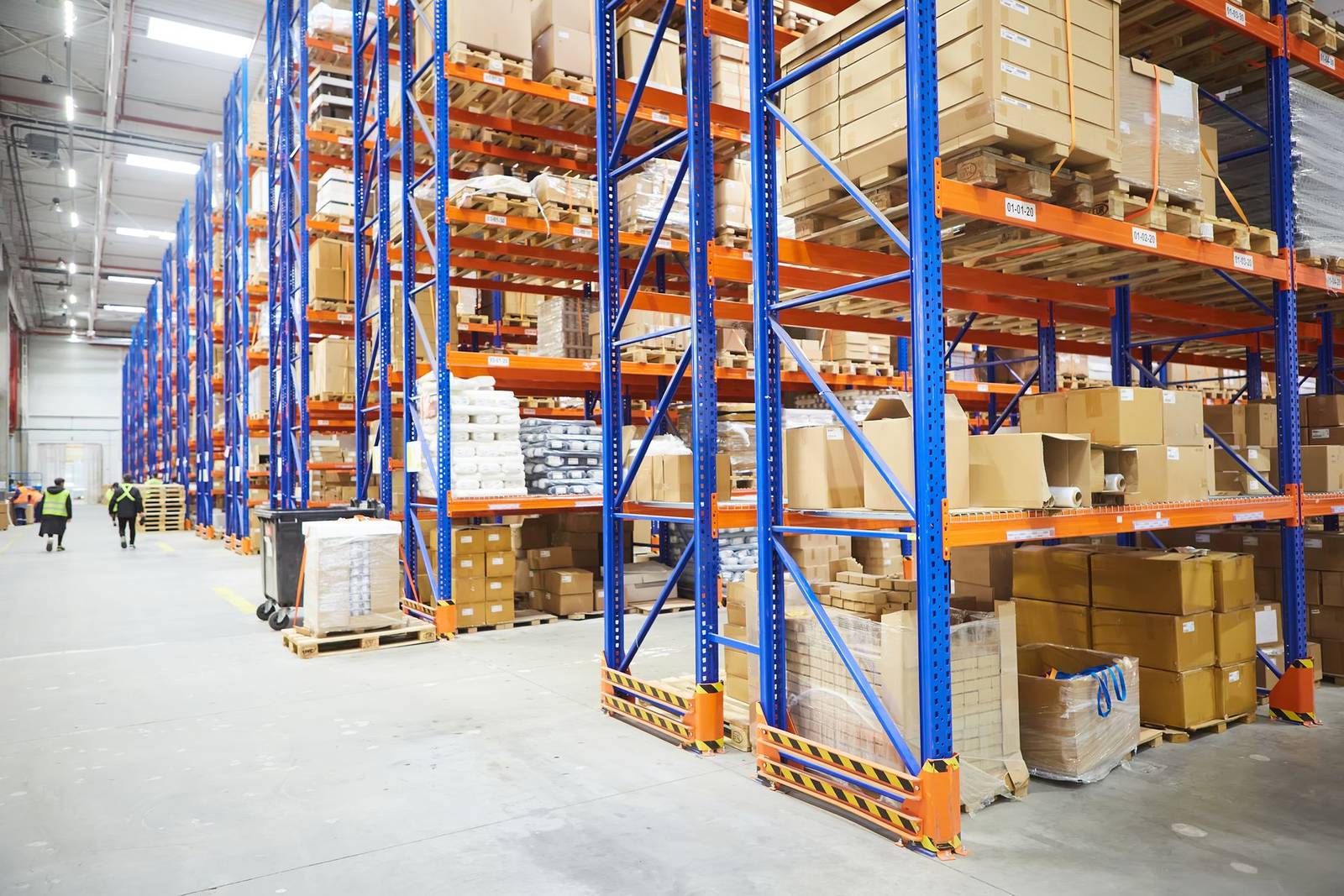
Port and terminal work in Tacoma runs its own rhythm — container yards and PIT fleets, dockboards and trailer moves, and the boundary where OSHA jurisdiction meets longshore rules. For the warehouse-and-drayage side we train constantly: forklift certification at fleet scale, fall protection for dock edges, and orientation-grade outreach cards that terminal operators expect on day one.
Courses Tacoma Employers Book Most
Translate the local economy into OSHA standards and the Tacoma booking sheet writes itself: forklift and powered-industrial-truck certification, fall protection (user and competent person), OSHA 10 general industry, First Aid/CPR/AED, and OSHA 30 construction for supervision. Stack two or three into one visit and the mobilization pays for itself in avoided travel alone — the full catalog covers the rest whenever your program needs it.
How a Visit to Tacoma Runs
Booking works the same in Tacoma as everywhere we deliver: you name the site, we scope the visit, and the instructor arrives with everything the class needs. The practical wins are the ones clients mention afterward — no lost travel days, hands-on portions on the exact equipment your crew runs, and a records package completed on the spot instead of trickling in by email for a month. Send us the details — course, headcount, site address — or call (252) 274-0583, and we will map the visit and price it as one number.
The Process, In Plain Terms
Getting started is deliberately boring: a scoping call where you describe the work and the headcount, a quote that comes back as one number, and a date on the calendar. On the day, the instructor arrives early, the classroom block runs tight, the hands-on runs real, and your safety lead signs for a complete records package before anyone leaves. Repeat next year — or add the next course to the same visit.
Why Tacoma Employers Call Us Back
The difference is who shows up. 3P Safety instructors are led by a founder who still works the field — OSHA 500 authorized, NCCCO-certified on mobile and tower cranes, a certified crane inspector and lift director since coming up through jobsites starting in 2005. Crews listen differently when the person teaching fall protection has hung the steel.
Coverage Beyond Tacoma
The instructor who trains your Tacoma crew covers the whole region — see also Seattle and Spokane, the statewide Washington page, or every location we serve. Multi-site employers routinely combine crews from several locations into one visit.
Frequently Asked Questions
Does WA DOSH (L&I) change what training my crew needs?
The core federal requirements still apply, but state plans can add standards and emphasis programs of their own — and WA DOSH (L&I) enforces with its own inspectors. Our courses teach the overlay where it exists, and your documentation is built to satisfy the inspector who actually shows up: the state one.
Can you handle forklift re-evaluations for a large fleet?
Yes — high-headcount PIT programs are core work for us. OSHA requires a documented evaluation for every operator at least every three years, and fleets tend to come due in waves. We run multi-day visits that certify new operators and re-evaluate the rest, per class of truck, with records fleet-managers can file by name and date.
Are your OSHA 10 and 30 cards the official DOL cards?
Yes — taught live by authorized outreach trainers (OSHA 500 construction, OSHA 501 general industry) with official Department of Labor cards issued through the OSHA Training Institute Education Center that authorizes our trainers. We do not sell self-paced online-video cards, in Tacoma or anywhere.
Can one visit cover crews from several of our Washington sites?
Yes, and it is the most cost-effective way to book: pull crews into one location for the classroom blocks, then run equipment evaluations at each site as needed. We regularly structure Tacoma visits exactly that way for employers with multiple yards, plants, or jobsites.
How does pricing work for Tacoma visits?
One number for the visit: the course or courses, your crew size, and the location decide it. Stacking classes into a single mobilization spreads the travel across everything, which is why most Tacoma clients book two or three courses per visit. No per-student meters.
We bid federal work — do you train to EM 385-1-1 expectations?
Our founder’s background includes federal contracts where EM 385-1-1 governs alongside OSHA, and our documentation is built to that review standard: written designations, activity-hazard-analysis-ready training records, and competent-person paperwork that survives a government safety office. It is a genuine differentiator when your next bid needs it.