
3P Safety Training covers Massachusetts the way we cover the rest of the country: certified instructors mobilize to your jobsite or facility, teach live, evaluate hands-on, and hand your safety lead an audit-ready record set the same day. No classroom commutes, no per-student games.
The Industries Driving Training Demand in Massachusetts
Greater Boston runs one of the most sophisticated construction markets in the country — lab and biotech buildouts in Cambridge and the Seaport, hospital and university work that never pauses, and GCs whose site-specific safety plans read like regulatory documents themselves. Private employers answer to federal OSHA (the Commonwealth’s plan covers public employees), but in practice the specs come from owners and CMs: OSHA 10 is effectively mandatory on sites here (Massachusetts requires it for public construction), and 30s for supervision are standard.
Three metros carry most of the state’s demand. In Boston, boston’s construction market is institutional-grade: lab and biotech buildouts in the Seaport and Cambridge orbit, hospital and university programs that run decades, and CM safety specs as strict as any in the country. In Worcester, worcester has turned mill-city bones into a biotech-and-medical growth market — WuXi and the biomanufacturing park, UMass Chan’s expansion, ballpark-district redevelopment — while abrasives and wire manufacturing keep the industrial legacy alive. In Springfield, springfield works western Massachusetts: CRRC’s rail-car assembly plant, Smith & Wesson’s legacy machining base, paper and plastics up the valley, and the healthcare systems driving steady construction. Each has its own page below with the local detail.
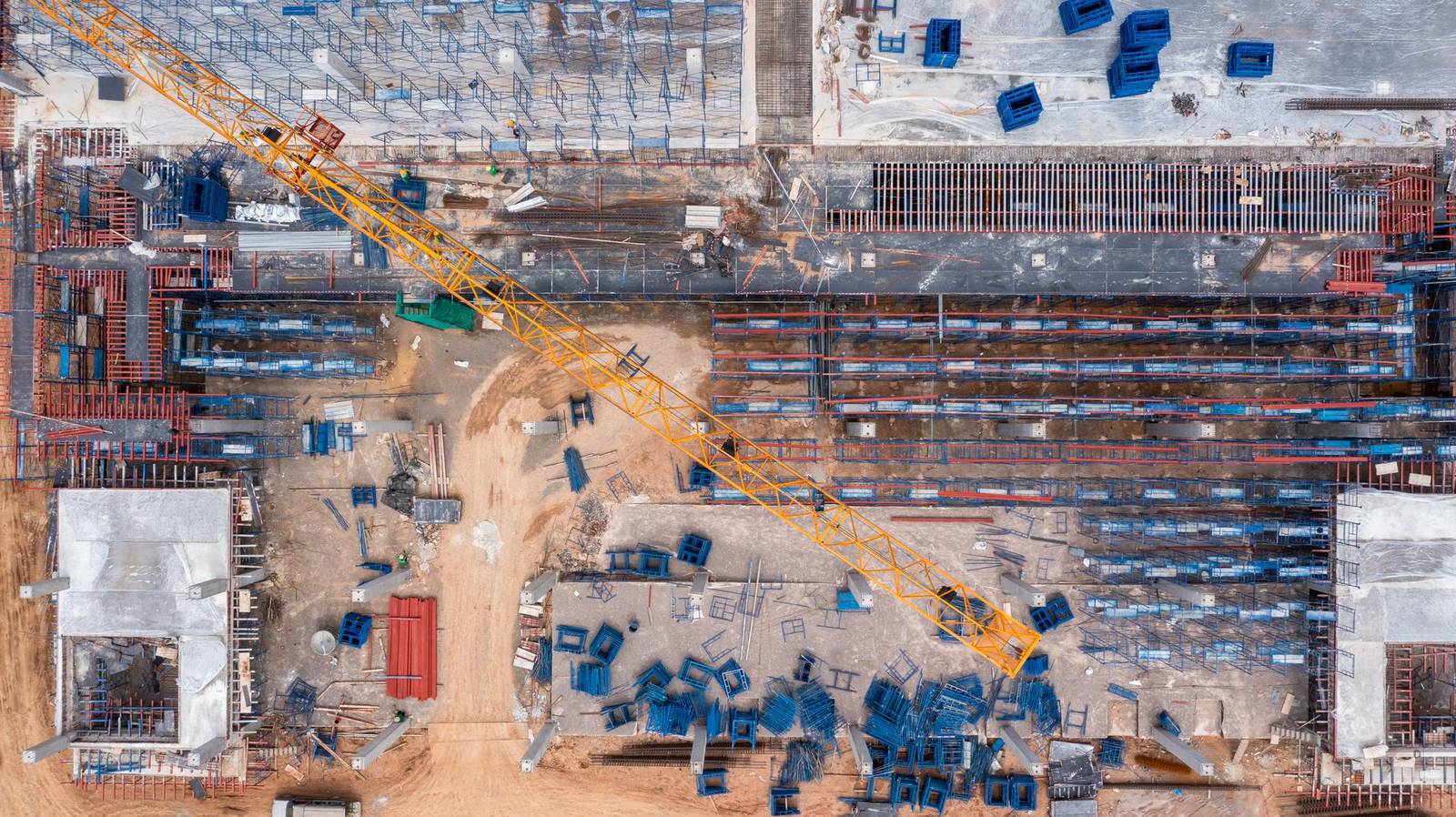
When cranes stack up on the skyline, demand concentrates in work at height: harness-level fall protection for the crews, competent-person depth for the leads, MEWP certification for every lift operator, and outreach cards to satisfy the GC exhibit. We stage multi-course visits that catch a whole project team in one mobilization.
Lab and biomanufacturing construction pairs cleanroom-adjacent protocols with conventional trade hazards — lifts in tight interstitial spaces, HazCom on process chemistries, and CM documentation specs from institutional owners. The 10-hour GI card plus aerial certification is the common entry ticket.
A hot construction market has a training signature: fall protection leads everything (it is OSHA’s most-cited standard nationally, and boom markets amplify it), aerial and scissor lift certification follows the rental fleet, and GC specs make OSHA 10s effectively universal with 30s for anyone running work. New-hire velocity means classes fill as fast as they are scheduled.
OSHA in Massachusetts: Who Enforces What
In Massachusetts, who regulates you depends on who signs your paycheck: private employers fall under federal OSHA, while the state plan (Massachusetts Workplace Safety (public employees)) covers public-sector workers. It is a distinction that confuses plenty of safety programs — and a question we settle in the first ten minutes of class so every attendee knows exactly whose standards their documentation must satisfy.
Winter Changes the Work
Cold-season work in Massachusetts is its own discipline: ice on steel and scaffolds, gloves that change grip and dexterity, shortened daylight, and layers that interact with harnesses in ways summer training never covered. We schedule accordingly and teach accordingly — fall protection sessions here address icy leading edges and winter gear fit, and jobsite planning treats weather windows as the constraint they really are.
The Massachusetts Training Shortlist
The demand profile writes itself from the work above. In Massachusetts, the courses we deliver most are fall protection (user and competent person), HazCom / GHS, OSHA 10 general industry, aerial and scissor lift (MEWP) certification, and OSHA 30 construction for supervision — usually stacked into one visit so a single mobilization covers the crew’s cards, the operators’ evaluations, and the leads’ competent-person depth. The full catalog runs about 25 course lines, and any of them can ride along on the same trip.
Bringing the Classroom to Massachusetts
The furthest your crew travels for training with us is the break room. We deliver every course in Massachusetts at your site, size classes so the hands-on portions are genuinely hands-on, and leave your safety lead with a same-day record set — rosters, tests, evaluations, cards — formatted for whatever audit comes next. Ready when you are: describe the job or call (252) 274-0583 — course, headcount, jobsite or facility — and the quote comes back as one number, usually the same week.
We deliver through Massachusetts winters the way your projects run through them: hands-on work planned to the forecast, classroom blocks when the site is frozen out, and gear-and-layers fit worked into any harness training.
The Process, In Plain Terms
Here is the whole process: tell us the course, the crew, and the site; get one price and real dates; hold the class where the work is. We handle materials, evaluations, and documentation end to end. Most first-time clients book a single course and convert to stacked annual visits once they see what one mobilization can carry.
Why Massachusetts Employers Call Us Back
What you are actually buying is defensibility: live instruction from trainers led by an OSHA 500-authorized, NCCCO-certified working professional, hands-on evaluations on your own equipment, and records formatted to survive the strictest audit your industry runs. That formula does not change by geography — it travels to every state on this site.
Where We Train in Massachusetts
City pages with local detail:
Crews working across state lines are covered too — see Connecticut, New Hampshire, Rhode Island. Every corner of Massachusetts is covered either way — these are simply the metros we detail. See all locations.
Frequently Asked Questions
How does pricing work for Massachusetts visits?
One number for the visit: the course or courses, your crew size, and the location decide it. Stacking classes into a single mobilization spreads the travel across everything, which is why most Massachusetts clients book two or three courses per visit. No per-student meters.
Does winter change the training itself?
It changes what we emphasize: harness fit over winter layers, icy-surface fall planning, cold-stress recognition, and rescue timelines that account for exposure. The certifications are the same; the judgment we build into the crew is seasonal. We deliver year-round — weather windows are your call, not ours.
Do you have a training center in Massachusetts?
No — and that is the point of the model. 3P Safety Training is headquartered in Goldsboro, North Carolina, and delivers everywhere on-site: our instructors travel to your jobsite or facility in Massachusetts, train your crew on your own equipment, and finish the documentation before they leave. You never lose travel days to a classroom.
Who actually regulates my company in Massachusetts?
If you are a private employer, federal OSHA — Massachusetts’s plan (Massachusetts Workplace Safety (public employees)) covers only state and local government workers. Public agencies answer to the state program. Either way the training requirements are substantively the same, and we deliver to whichever rulebook governs your workforce.
How fast can you mobilize to Massachusetts?
Tell us the course and the headcount and we will give you real dates with the quote — typically within a couple of weeks, faster when a project deadline or audit is driving it. We schedule around your operation, including nights, weekends, and shutdown windows.
Our crews are mixed-language — can the class still work?
Training only counts if the crew actually understood it — OSHA says so explicitly. Tell us your crew’s language mix when you book and we will structure delivery, materials, and comprehension checks so nobody nods through a class they could not follow.